What Happens If Your BMI is Too High or Too Low? A Complete Scientific and Practical Guide
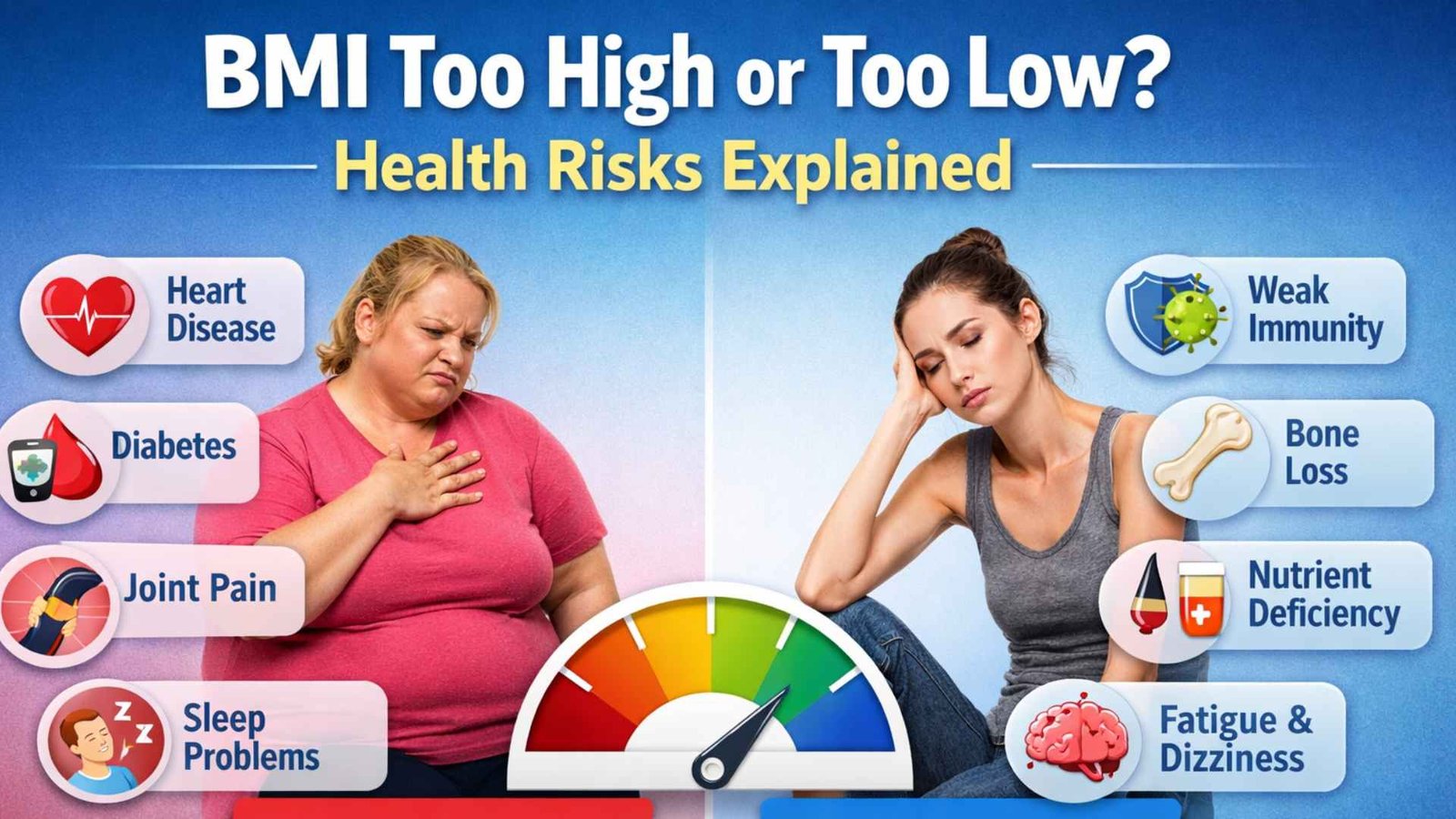
Body Mass Index (BMI) is not simply a number calculated from height and weight; it is a broad indicator of how your body is functioning internally. It provides insight into whether your body is maintaining a healthy balance between energy intake, fat storage, and metabolic activity. This makes it an important starting point for understanding overall health.
When BMI moves outside the normal range, it often signals deeper physiological changes. These changes can affect multiple systems, including the heart, hormones, immune response, and energy regulation. Over time, this imbalance can lead to both visible and hidden health complications.
Key Points:
- BMI reflects internal body balance
- Helps identify early health risks
- Linked to metabolism and energy use
- Important for long-term health monitoring
What is BMI and How is It Classified?
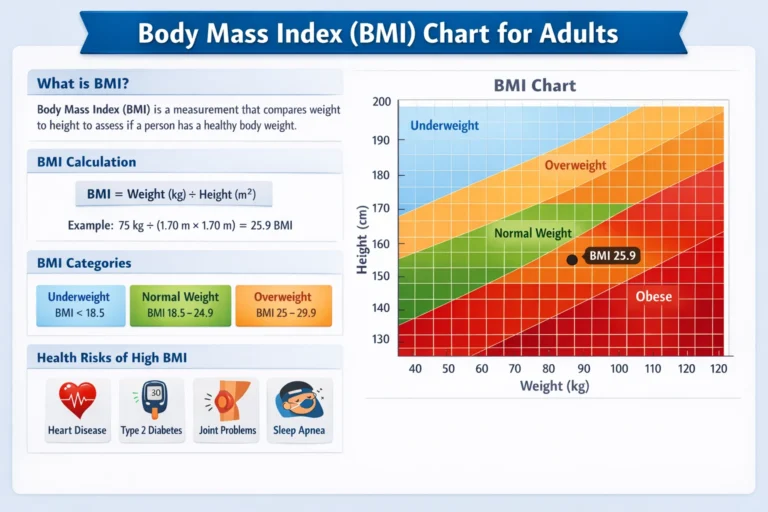
BMI is calculated using a standardized formula that compares weight to height. It is widely used in healthcare because it provides a quick and accessible way to assess whether a person falls within a healthy weight range. Although it does not measure body fat directly, it strongly correlates with health outcomes.
Health professionals use BMI categories to estimate risk levels and guide lifestyle changes. While factors like muscle mass and age can influence accuracy, BMI remains a valuable tool when combined with other health indicators and habits.
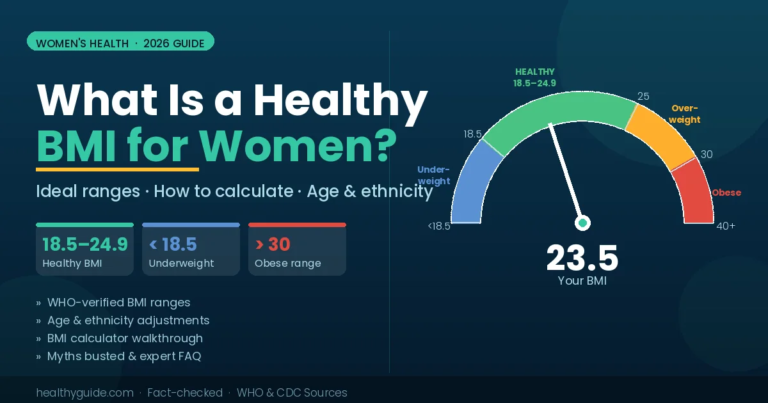
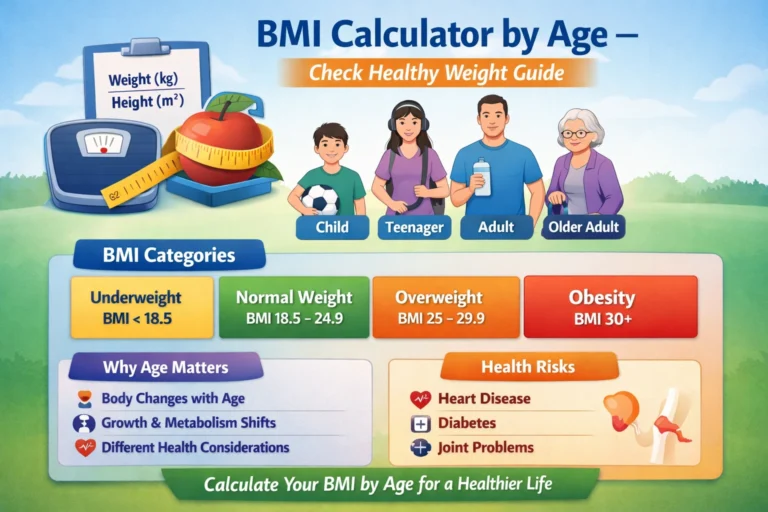
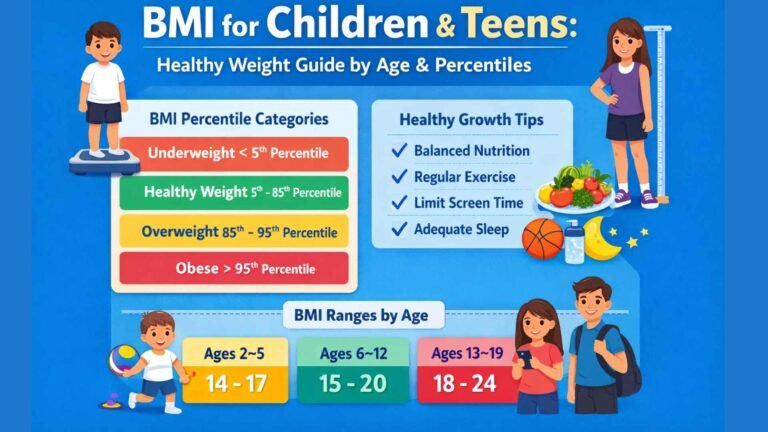
BMI Classification Table
| BMI Range | Category | Health Risk Level |
|---|---|---|
| Below 18.5 | Underweight | High |
| 18.5 – 24.9 | Normal Weight | Low |
| 25 – 29.9 | Overweight | Moderate |
| 30 and above | Obese | High to Severe |
Key Points:
- Based on weight and height ratio
- Used globally for health screening
- Indicates potential risk levels
- Works best with lifestyle context
What Happens When Your BMI is Too High?
A high BMI indicates excess body fat, particularly around internal organs, which can interfere with normal body processes. This fat is metabolically active and releases substances that disrupt hormonal balance and energy regulation. As a result, the body gradually becomes less efficient.
Over time, this imbalance creates stress on vital systems, especially the heart and metabolism. The body struggles to maintain stable blood sugar, blood pressure, and energy levels. These changes often develop slowly, making them difficult to detect without proper awareness.
Key Points:
- Excess fat disrupts body functions
- Affects metabolism and hormones
- Increases strain on organs
- Leads to gradual health decline
Effects of High BMI on Body Systems
High BMI places pressure on the cardiovascular system by increasing blood volume and forcing the heart to work harder. It also contributes to insulin resistance, where the body cannot effectively manage blood sugar levels. These changes significantly increase the risk of chronic diseases.
In addition, excess weight affects joints, breathing, and mental well-being. It can lead to reduced mobility, poor sleep quality, and emotional stress. Together, these effects highlight how high BMI impacts both physical and psychological health.
Key Points:
- Raises risk of heart disease and diabetes
- Causes joint pain and reduced mobility
- Affects breathing and sleep patterns
- Impacts mental health and confidence
What Happens When Your BMI is Too Low?
A low BMI indicates that the body lacks sufficient weight, often due to inadequate nutrition or energy intake. This condition forces the body to prioritize survival by conserving energy and reducing non-essential functions. As a result, overall performance declines.
The body begins to break down stored fat and muscle to meet energy needs. This leads to weakness, reduced strength, and slower metabolic processes. Over time, the lack of nutrients affects multiple systems, making the body more vulnerable to illness.
Key Points:
- Indicates insufficient energy reserves
- Slows down body functions
- Leads to muscle and strength loss
- Increases vulnerability to health issues
Effects of Low BMI on Body Systems
Low BMI weakens the immune system, making it harder for the body to fight infections. It also causes deficiencies in essential nutrients, which affect skin health, bone strength, and overall vitality. These deficiencies can have long-term consequences if not addressed.
Additionally, low BMI affects hormone production and cognitive performance. It can lead to irregular reproductive function, fatigue, and difficulty concentrating. These effects show how underweight conditions impact both physical and mental stability.
Key Points:
- Weak immune response
- Nutritional deficiencies
- Bone and muscle loss
- Hormonal and cognitive impact
High BMI vs Low BMI: A Balanced Comparison
Both high and low BMI disrupt the body’s natural balance, but they do so in different ways. High BMI is associated with excess and overload, while low BMI reflects deficiency and reduced capacity. Understanding these differences helps in choosing the right corrective approach.
Maintaining balance is essential because both extremes can negatively affect quality of life. A comparative perspective shows how different systems respond to these conditions and why stability is key for long-term health.
| Health Aspect | High BMI Effects | Low BMI Effects |
|---|---|---|
| Energy Levels | Fatigue | Weakness |
| Immune System | Inflammation | Low immunity |
| Bones | Joint stress | Bone loss |
| Hormones | Imbalance | Suppression |
Key Points:
- Both extremes affect body systems
- High BMI = overload, Low BMI = deficiency
- Different causes, similar impact
- Balance is essential for health
Fuel your health journey—explore expert BMI insights and guides.
Why Maintaining a Healthy BMI is Important
A healthy BMI supports the body’s ability to function efficiently by maintaining balance between energy intake and usage. It allows organs, hormones, and systems to work together smoothly without unnecessary stress. This balance reduces the likelihood of chronic diseases.
When BMI is within the normal range, the body experiences better energy levels, stronger immunity, and improved mental clarity. It also enhances physical performance and long-term health stability. Maintaining this balance is essential for a sustainable lifestyle.
Key Points:
- Supports efficient body function
- Reduces disease risk
- Improves energy and focus
- Promotes long-term well-being
How to Maintain or Improve Your BMI
Maintaining a healthy BMI requires consistent lifestyle habits rather than quick fixes. A balanced approach that includes proper nutrition, regular activity, and good sleep helps regulate body weight naturally. Small, steady improvements are more effective than extreme changes.
Both increasing and decreasing BMI should be done gradually to avoid stress on the body. Sustainable habits ensure that results are long-lasting and support overall health rather than temporary changes.
If Your BMI is Too High
Reducing BMI involves improving diet quality and increasing physical movement. Choosing whole foods and reducing processed items helps regulate calorie intake. Regular exercise supports fat loss and improves metabolic health.
Key Points:
- Focus on whole foods
- Reduce sugar and processed items
- Stay physically active
- Maintain consistency
If Your BMI is Too Low
Increasing BMI requires consuming nutrient-dense foods and supporting muscle growth. Eating more frequently and including healthy fats and proteins can help increase weight safely. Strength training improves strength and overall body composition.
Key Points:
- Increase calorie intake gradually
- Include protein and healthy fats
- Eat frequent meals
- Build muscle through training
FAQs
What is the ideal BMI range?
The ideal BMI range is between 18.5 and 24.9, which is associated with the lowest health risks.
Is BMI accurate for everyone?
BMI is useful for general guidance but may not account for muscle mass or body composition.
How often should BMI be checked?
It can be checked regularly using tools like globalbmicalculator.com to monitor changes.
Can BMI improve naturally?
Yes, with consistent diet, exercise, and lifestyle habits, BMI can improve over time.
Is extreme dieting a good way to fix BMI?
No, gradual and sustainable changes are the safest and most effective approach.
Conclusion
BMI is a valuable indicator of how well your body is maintaining internal balance. Both high and low BMI can disrupt essential systems and lead to long-term complications if ignored. Understanding these effects allows individuals to take informed action.
The goal is not perfection but stability, achieved through consistent and healthy lifestyle choices. By maintaining a balanced BMI, you support your body’s natural functions and improve overall quality of life.
Check your BMI instantly—know where you stand today.