How to Improve Your BMI Naturally (Expert Diet & Exercise Guide for Long-Term Health)

Body Mass Index (BMI) is one of the most widely used indicators to assess whether your body weight is appropriate for your height. It provides a quick overview of your physical condition and highlights potential health risks linked to being underweight or overweight. However, improving BMI is not just about changing weight—it is about improving overall body balance and health.
In modern lifestyles, poor nutrition, lack of physical activity, and stress can negatively affect BMI and overall well-being. The most effective way to improve BMI is through a natural and sustainable approach that combines balanced nutrition, regular exercise, and consistent habits. This guide explains how to achieve a healthy BMI in a practical and long-term way.
Understanding BMI and Its Role in Health
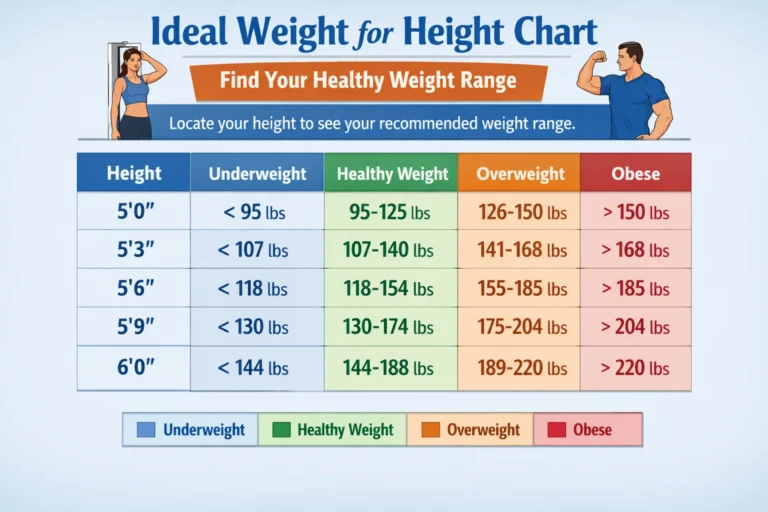
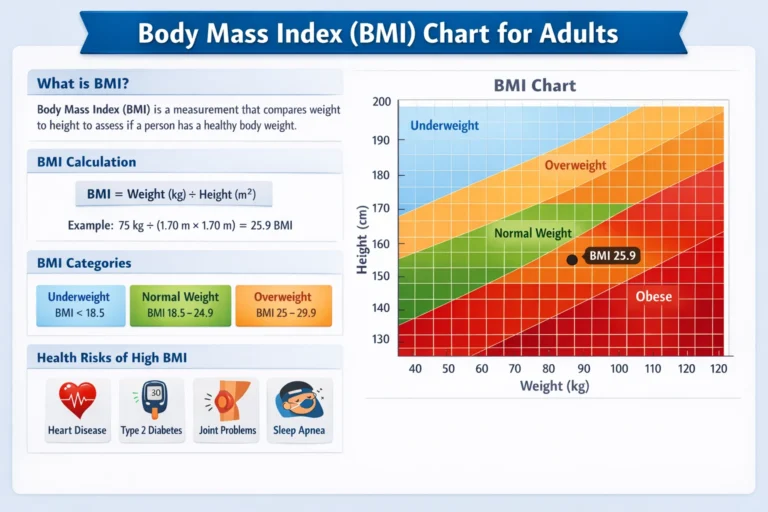
BMI is calculated using a simple formula that compares your weight with your height to categorize your body into different health ranges. Although it does not directly measure fat or muscle, it is still widely used as a general indicator of health and weight-related risks. It helps individuals understand whether they need to gain, lose, or maintain weight.
Maintaining a healthy BMI supports better metabolic function, improved energy levels, and reduced risk of chronic diseases. It also contributes to physical performance and mental well-being. While BMI has limitations, it remains a useful starting point for building a healthier lifestyle.
BMI Categories
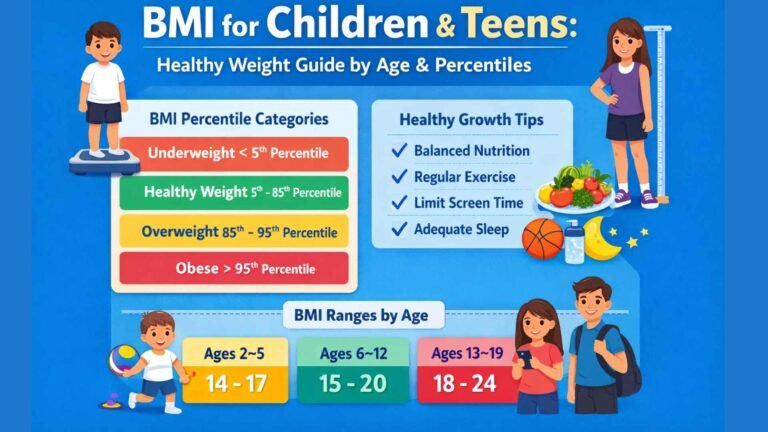
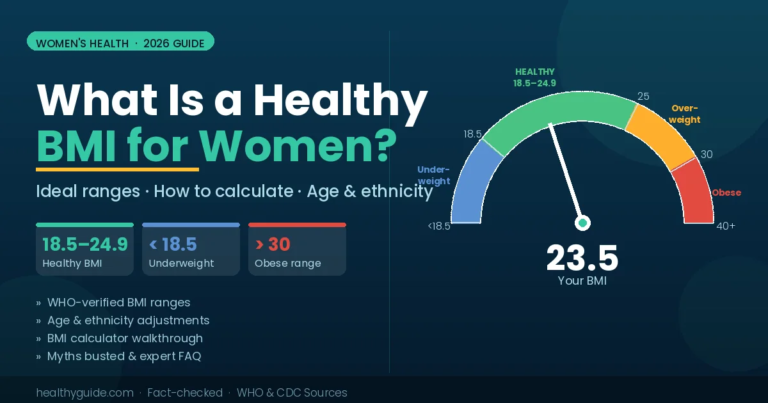
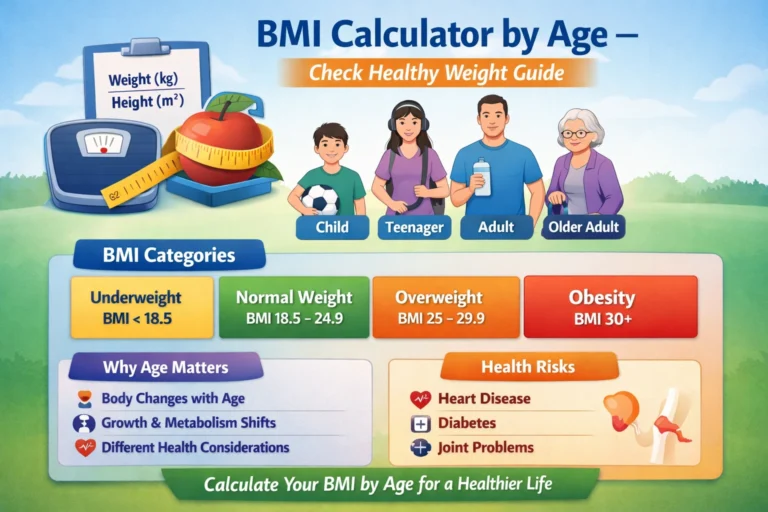
BMI Range Category
Below 18.5 Underweight
18.5 – 24.9 Normal
25 – 29.9 Overweight
30+ Obese
Why BMI Matters
- Helps identify health risks early
- Supports better weight management
- Improves long-term health outcomes
- Enhances daily energy and performance
Core Principles for Improving BMI Naturally
Improving BMI requires a structured and balanced approach rather than quick fixes or extreme methods. The main goal is to create a healthy balance between calorie intake and energy expenditure while improving body composition. This means focusing on building muscle, reducing excess fat, and maintaining proper nutrition.
Consistency plays a major role in achieving results, as small daily habits lead to long-term improvement. Instead of following temporary diets, it is important to adopt sustainable practices that support overall health. A combination of proper eating, regular movement, and disciplined routines ensures steady progress.
Key Principles
- Maintain proper calorie balance
- Focus on nutrient-dense foods
- Improve muscle-to-fat ratio
- Stay consistent with daily habits
Nutrition Strategy for a Healthy BMI
Nutrition is the foundation of improving BMI, as it directly affects metabolism, energy levels, and body composition. A well-balanced diet should include all essential nutrients such as proteins, carbohydrates, and healthy fats. Eating the right foods helps regulate body functions and supports sustainable weight management.
Instead of focusing only on calorie quantity, it is important to prioritize food quality. Whole foods provide essential vitamins and minerals that improve overall health and digestion. A structured eating pattern ensures that the body receives consistent energy throughout the day.
Essential Foods to Include
- Lean protein (chicken, eggs, fish, legumes)
- Whole grains (oats, brown rice, whole wheat)
- Healthy fats (nuts, seeds, olive oil)
- Fruits and vegetables
Diet Approach for Underweight Individuals
For individuals with low BMI, the goal is to increase weight in a healthy and controlled way. This involves consuming more calories than the body burns while focusing on muscle development. Simply eating more is not enough; the quality of food plays a crucial role in achieving sustainable results.
Frequent meals and nutrient-dense foods help increase calorie intake without compromising health. Protein-rich foods support muscle growth, while healthy fats and carbohydrates provide energy. A consistent eating routine ensures gradual and steady improvement.
Weight Gain Guidelines
- Eat 5–6 meals per day
- Add calorie-dense healthy foods
- Increase protein intake
- Use shakes and smoothies
Diet Approach for Overweight Individuals
For individuals with high BMI, the focus should be on reducing body fat while maintaining muscle mass. This requires a controlled calorie deficit combined with a balanced diet. Avoiding processed foods and reducing sugar intake can significantly improve results.
Including high-protein and fiber-rich foods helps control hunger and supports metabolism. A gradual approach to weight loss ensures that the body adapts without negative effects. Sustainable eating habits are key to long-term success.
Weight Loss Guidelines
- Reduce calorie intake gradually
- Increase protein and fiber
- Avoid sugary and fried foods
- Control portion sizes
Your path to a healthier you—start exploring BMI knowledge today.
Role of Hydration in BMI Improvement
Hydration is an essential yet often overlooked factor in maintaining a healthy BMI. Water supports digestion, regulates body temperature, and helps control appetite. Proper hydration improves metabolic efficiency and overall body function.
Drinking enough water daily can support both weight loss and weight gain processes. It helps the body absorb nutrients effectively and reduces unnecessary cravings. Maintaining hydration is a simple but powerful step toward better health.
Hydration Benefits
- Boosts metabolism
- Reduces hunger cravings
- Improves digestion
- Supports overall body function
Exercise Strategy for BMI Optimization
Exercise plays a crucial role in improving BMI by helping regulate weight and improve body composition. A combination of cardio and strength training provides the best results. Physical activity increases calorie expenditure and supports muscle development.
Regular exercise also improves mental health, reduces stress, and enhances overall energy levels. A structured workout routine ensures consistency and prevents injuries. Balanced training leads to sustainable improvement.
Types of Exercise
- Cardio (walking, running, cycling)
- Strength training (weights, bodyweight)
- Flexibility (yoga, stretching)
Exercise Plan Based on BMI Goals
Different BMI goals require different exercise strategies to achieve optimal results. Underweight individuals should focus more on strength training to build muscle mass, while overweight individuals should combine cardio and resistance training to reduce fat.
Maintaining a consistent workout schedule helps improve endurance, strength, and overall fitness. Recovery time is equally important to allow the body to adapt and grow. A balanced approach ensures long-term progress.
Workout Guidelines
- Train 3–5 times per week
- Combine cardio and strength training
- Allow proper recovery time
- Stay consistent with routine
Lifestyle Factors That Influence BMI
Lifestyle habits have a significant impact on BMI and overall health. Factors such as sleep, stress, and daily routine directly affect metabolism and weight balance. Ignoring these factors can slow progress even with proper diet and exercise.
Developing healthy habits supports long-term results and stability. A well-balanced lifestyle improves both physical and mental health, making it easier to maintain a healthy BMI. Small changes can lead to significant improvements over time.
Healthy Lifestyle Habits
- Get 7–8 hours of sleep
- Manage stress effectively
- Follow a consistent routine
- Avoid unhealthy habits
Common Mistakes That Affect BMI Progress
Many people struggle to improve their BMI due to common mistakes that slow progress. These include following extreme diets, skipping meals, or being inconsistent with routines. Such habits can negatively impact metabolism and overall health.
Avoiding these mistakes is essential for achieving better results. A balanced and realistic approach ensures steady progress without harming the body. Focus on long-term habits rather than short-term results.
Mistakes to Avoid
- Skipping meals
- Crash dieting
- Over-exercising
- Ignoring recovery and sleep
Conclusion
Improving your BMI naturally requires a balanced combination of proper nutrition, regular exercise, and healthy lifestyle habits. It is a gradual process that depends on consistency, discipline, and smart decision-making. Focusing on sustainable changes leads to better long-term results.
Instead of chasing quick fixes, it is important to build habits that support overall health and well-being. A healthy BMI is not just about appearance—it reflects a strong, active, and balanced lifestyle. Stay consistent, and results will follow.
FAQs About Improve Your BMI Naturally
1. How long does it take to improve BMI naturally?
It usually takes 4–12 weeks depending on consistency and lifestyle habits.
2. Can BMI improve without exercise?
Diet helps, but exercise improves results and body composition significantly.
3. What is the ideal BMI range?
The ideal BMI range is between 18.5 and 24.9.
4. Is BMI accurate for everyone?
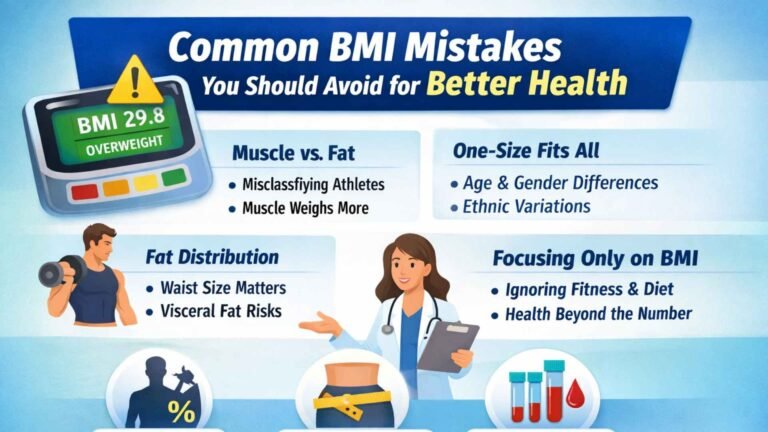
BMI is a general indicator but does not measure fat or muscle directly.
5. What is the safest way to improve BMI?
A balanced diet, regular exercise, proper sleep, and consistency.
Take control of your fitness—check your BMI today.