Common BMI Mistakes People Make (A Complete Guide to Accurate Health Interpretation)
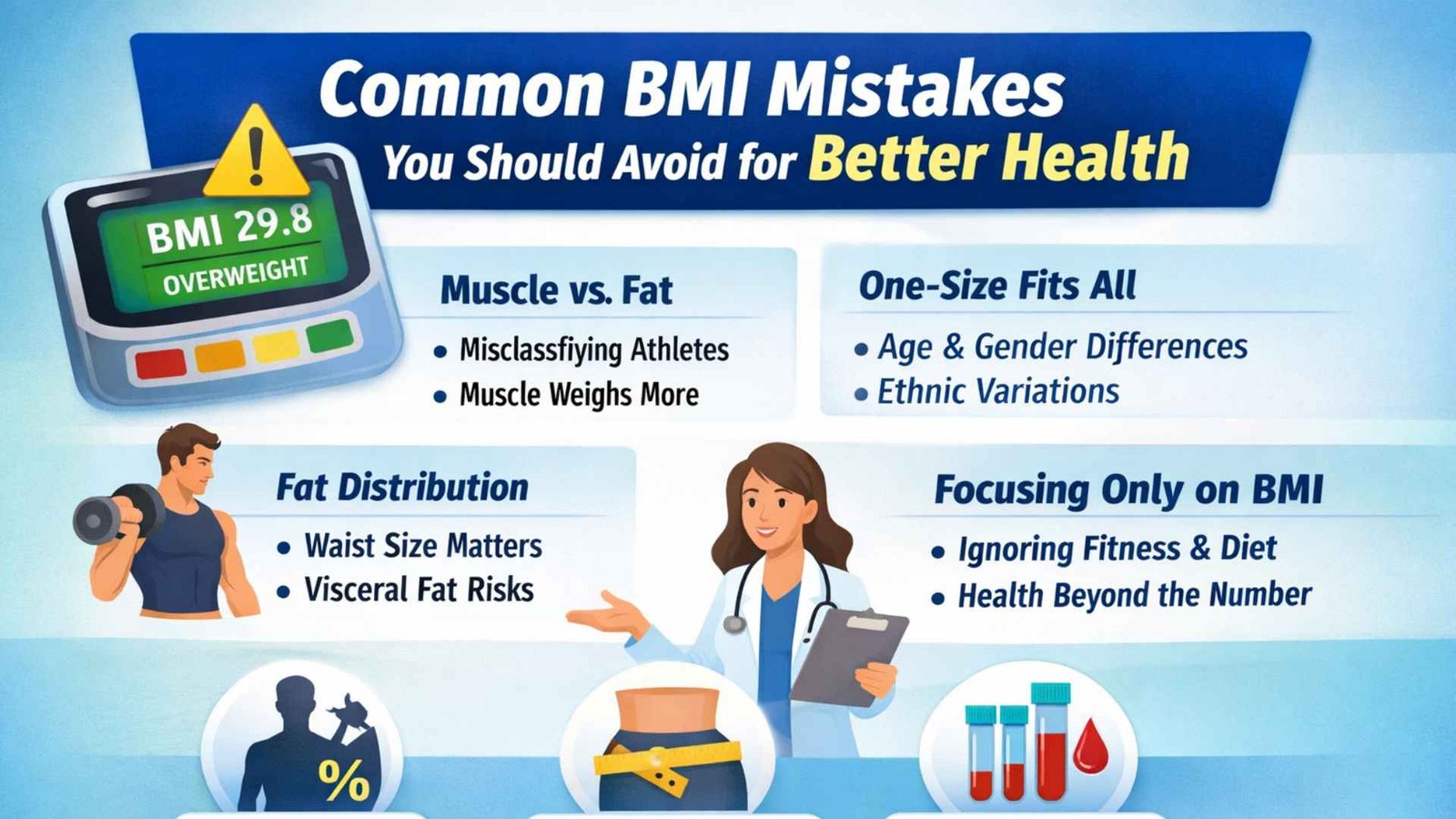
BMI (Body Mass Index) is one of the most widely used tools for evaluating whether a person’s weight falls within a healthy range. It is simple, quick to calculate, and commonly used by both individuals and healthcare professionals. However, despite its popularity, BMI is often misunderstood and incorrectly applied.
Many people rely on BMI as a final judgment of their health, which can lead to misleading conclusions. In reality, BMI is only a basic screening tool and should be interpreted with proper context. This article explains the most common BMI mistakes and provides a smarter, more accurate way to understand your health.
Understanding BMI and Its Real Purpose
BMI is calculated using a person’s height and weight to estimate body mass. It helps categorize individuals into weight ranges that are associated with general health risks. However, it does not measure body composition or internal health conditions.
The purpose of BMI is to provide a quick overview, not a detailed diagnosis. It is most effective when used alongside other health indicators such as fitness level and lifestyle habits. Understanding this limitation is essential to avoid misinterpretation.
Key insights about BMI:
- It measures weight relative to height
- It is designed for general screening
- It does not reflect body fat or fitness
BMI Categories and What They Actually Mean
BMI values are divided into categories that indicate potential health risks. These categories are based on large population studies and provide general guidelines. However, they do not account for individual differences such as muscle mass or metabolism.
People within the same BMI category can have very different health conditions. Therefore, BMI categories should be viewed as a starting point rather than a final assessment of health.
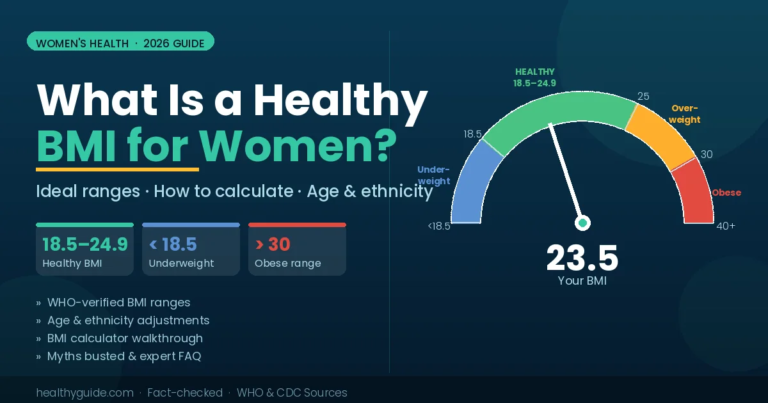
| BMI Range | Category | Health Risk |
|---|---|---|
| Below 18.5 | Underweight | Increased risk |
| 18.5 – 24.9 | Normal | Lower risk |
| 25 – 29.9 | Overweight | Moderate risk |
| 30+ | Obese | High risk |
What to keep in mind:
- Categories are based on averages
- Individual health may vary
- Context is always important
Mistake 1: Treating BMI as a Complete Health Measure
One of the most common mistakes is believing that BMI alone defines overall health. In reality, BMI only reflects body weight relative to height and ignores many important health factors such as fitness, metabolism, and body composition.
A person can have a normal BMI but still be unhealthy due to poor lifestyle habits. Similarly, someone with a higher BMI may be physically fit and metabolically healthy. This shows that BMI should not be used as a standalone indicator.
Problems with this approach:
- Ignores internal health markers
- Overlooks lifestyle factors
- Leads to incorrect conclusions
Mistake 2: Not Differentiating Between Muscle and Fat
BMI does not distinguish between muscle and fat, which can result in misleading classifications. Individuals with higher muscle mass often have higher body weight, which increases BMI even if their body fat is low.
This is especially common among athletes and physically active individuals. Without considering body composition, BMI can incorrectly label healthy individuals as overweight or obese.
Important points to understand:
- Muscle is denser than fat
- Higher muscle increases body weight
- BMI treats all weight equally
Mistake 3: Ignoring Age and Gender Differences
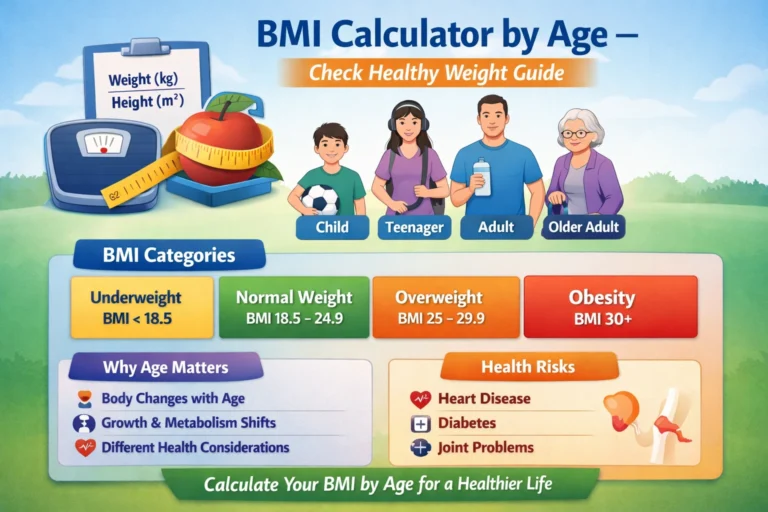
BMI applies the same formula to everyone, but body composition varies based on age and gender. Women naturally have higher body fat levels, while older adults tend to lose muscle and gain fat over time.
Ignoring these differences can lead to inaccurate interpretations. A BMI value that is considered normal for one group may not reflect the same health status for another.
Factors that influence BMI:
- Age-related body changes
- Gender differences in fat storage
- Hormonal variations
Mistake 4: Focusing Only on the BMI Number
Many people become overly focused on reaching a specific BMI value, ignoring other aspects of health. This narrow focus can lead to unhealthy behaviors such as extreme dieting or neglecting physical fitness.
Health is more than just a number, and relying solely on BMI can create a false sense of security or unnecessary concern. A balanced approach is always more effective.
What matters more than BMI:
- Physical fitness and strength
- Energy and endurance levels
- Mental and emotional health
Mistake 5: Using Incorrect Measurements
BMI accuracy depends on correct height and weight measurements. Even small errors can lead to incorrect results and misclassification. Many people estimate their weight or use outdated height values.
Consistency and accuracy are essential for reliable BMI calculations. Using proper measurement techniques ensures that the results are meaningful and useful.
Best practices for accuracy:
- Measure weight regularly and consistently
- Use accurate tools and scales
- Record measurements under similar conditions
Take control of your health—learn everything about BMI and fitness.
Mistake 6: Ignoring Fat Distribution
BMI does not show where fat is stored in the body, which is a key factor in health risk. Fat around the abdomen is more harmful than fat in other areas and is linked to serious health conditions.
Measuring waist circumference alongside BMI provides better insight into health risks. This helps identify individuals who may be at risk despite having a normal BMI.
| Measurement | Men | Women |
|---|---|---|
| Healthy | < 40 inches | < 35 inches |
| High Risk | ≥ 40 inches | ≥ 35 inches |
Why this matters:
- Belly fat increases disease risk
- It affects heart and metabolic health
- BMI cannot detect fat location
Mistake 7: Applying BMI to Everyone Equally
BMI is not suitable for all individuals and can be misleading in certain cases. It does not accurately reflect the health of athletes, pregnant women, elderly individuals, or growing children.
Each of these groups has unique physiological characteristics that require different evaluation methods. Applying BMI universally can result in incorrect health assessments.
Who should be cautious with BMI:
- Athletes with high muscle mass
- Pregnant women
- Older adults
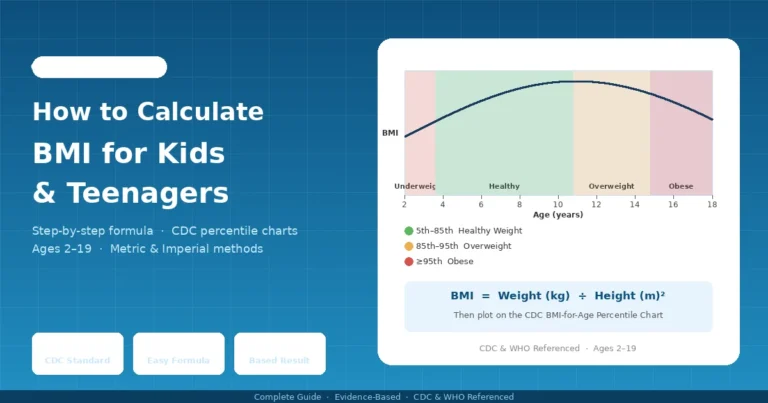
- Children and teenagers
Mistake 8: Not Tracking BMI Over Time
Many people check their BMI once and assume it reflects their long-term health. However, health is dynamic and changes over time due to lifestyle, diet, and physical activity.
Tracking BMI regularly helps identify trends and provides a better understanding of progress. It also allows individuals to make informed adjustments to their habits.
Effective tracking tips:
- Monitor BMI every 1–2 months
- Track alongside fitness progress
- Focus on long-term changes
Better Health Indicators to Use Alongside BMI
BMI should be combined with other health metrics to provide a more accurate and complete picture. These additional measurements help overcome the limitations of BMI and improve decision-making.
Using multiple indicators ensures a more balanced and realistic understanding of health. It also helps identify risks that BMI alone may not detect.
| Metric | Purpose | Benefit |
|---|---|---|
| Body Fat % | Measures fat vs muscle | More accurate |
| Waist Circumference | Tracks belly fat | Disease risk |
| Waist-to-Hip Ratio | Fat distribution | Heart health |
| Blood Tests | Internal health | Detects issues |
Why combine these metrics:
- Provides deeper insights
- Improves accuracy
- Supports better health decisions
Conclusion: Use BMI as a Guide, Not a Final Answer
BMI is a useful tool, but it is not a complete measure of health. It should be used as a general guideline rather than a definitive conclusion. Understanding its limitations helps avoid common mistakes and leads to better health decisions.
For users of globalbmicalculator.com, the real value lies in interpreting BMI correctly and combining it with other health indicators. True health is built through consistent habits, balanced nutrition, and an active lifestyle.
Final takeaway:
- BMI is helpful but limited
- Combine it with other metrics
- Focus on overall health
Frequently Asked Questions (FAQs)
Is BMI a reliable measure of health?
BMI is useful for general screening but not fully reliable for individual health assessment.
Can BMI misclassify healthy individuals?
Yes, especially athletes or people with high muscle mass may be classified as overweight.
What is better than BMI for accuracy?
Body fat percentage and waist measurements provide more detailed insights.
How often should BMI be checked?
It is recommended to check BMI every 1–2 months and track long-term trends.
Does BMI measure body fat directly?
No, BMI does not measure body fat or muscle composition.
Calculate your BMI in seconds—start your health journey now.