BMI Chart for Adults – Detailed Guide to Adult Body Mass Index, Healthy Weight Ranges, and Health Risks
Maintaining a healthy body weight is one of the most important aspects of long-term health. Adults often wonder whether their weight is appropriate for their height and body structure. One of the most commonly used tools for evaluating this relationship is the Body Mass Index, also known as BMI.
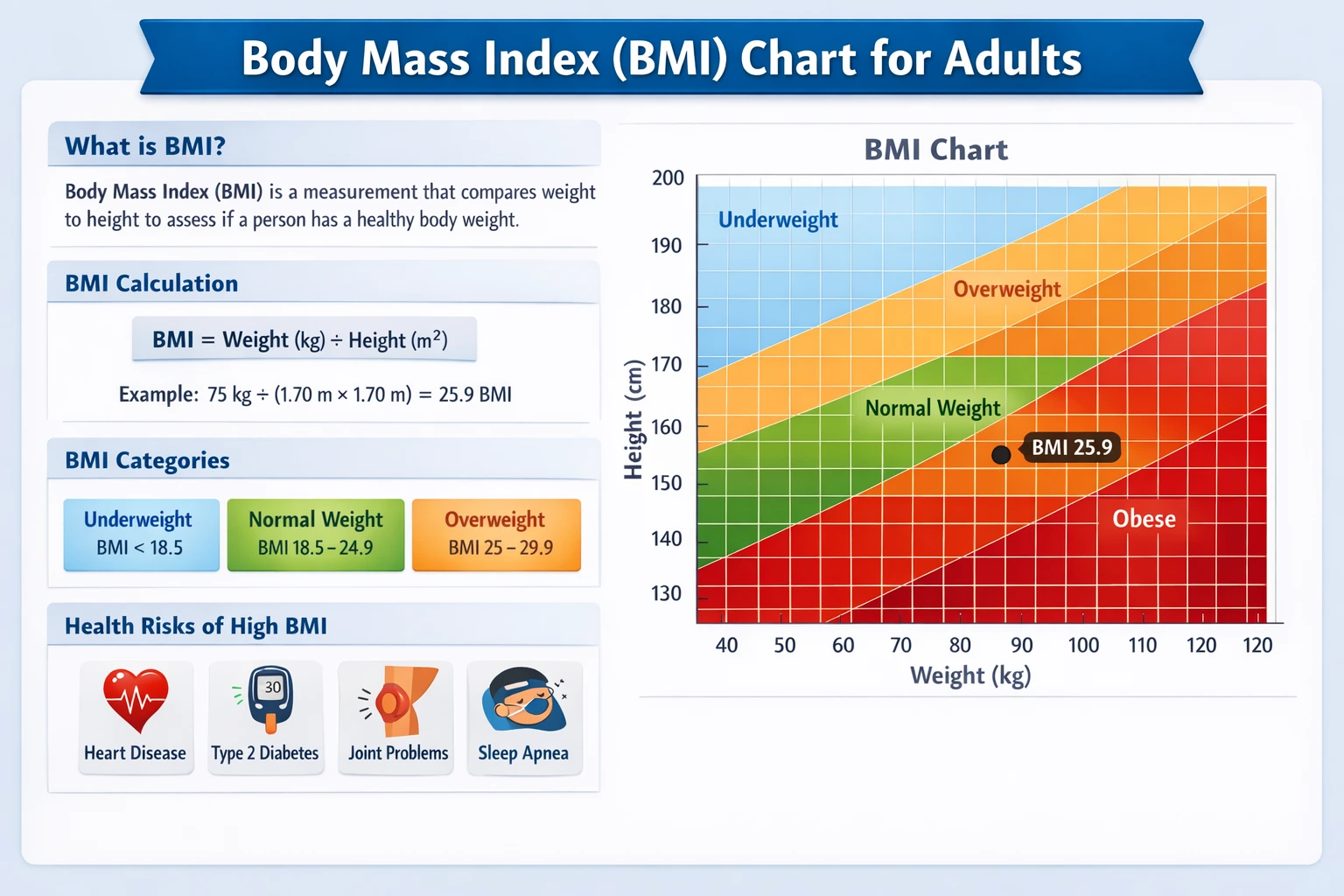
A BMI chart for adults helps people understand where their weight falls within standardized BMI ranges. These ranges classify individuals as underweight, normal weight, overweight, or obese. Each category provides useful insight into possible health risks related to body weight.
Although BMI does not directly measure body fat, it remains one of the most widely used health indicators in medicine, nutrition, and public health research. Understanding BMI charts can help adults monitor their weight, maintain healthier lifestyles, and reduce the risk of chronic diseases.
What Is Body Mass Index?
Body Mass Index is a numerical measurement that compares a person’s weight with their height. The purpose of BMI is to estimate whether body weight is proportional to height and whether it may affect overall health.
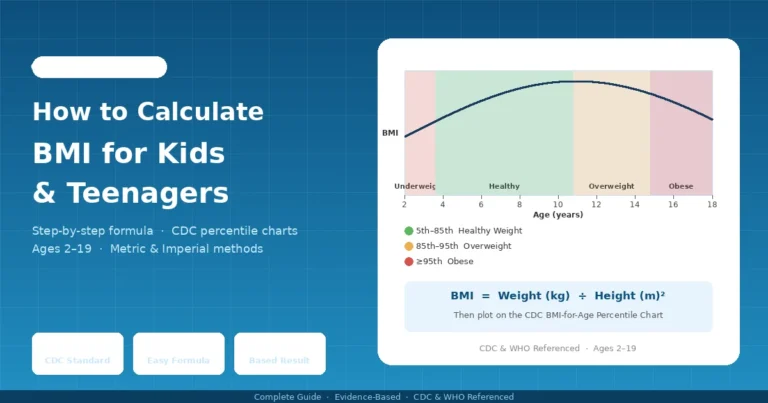
BMI is calculated using a simple mathematical formula that divides body weight by the square of height. This calculation provides a standardized number that can be compared with BMI ranges.
BMI is widely used because it is simple, inexpensive, and easy to calculate. Healthcare professionals often use BMI as an initial screening tool to identify individuals who may be at risk of weight-related health conditions.
BMI Calculation Formula
The BMI formula uses two measurements: weight and height.
BMI = Weight (kg) ÷ Height (m²)
For example, if a person weighs 75 kilograms and their height is 1.70 meters, the BMI is calculated by dividing the weight by the square of the height.
The result provides the BMI value, which can then be compared with BMI chart ranges.
Why BMI Is Used in Health Assessments
BMI is widely used because it provides a quick method for evaluating body weight. Unlike body fat tests that require specialized equipment, BMI only requires basic measurements.
Doctors often calculate BMI during routine health examinations to identify potential health risks related to weight. Public health organizations also use BMI data to monitor obesity trends across populations.
Limitations of BMI
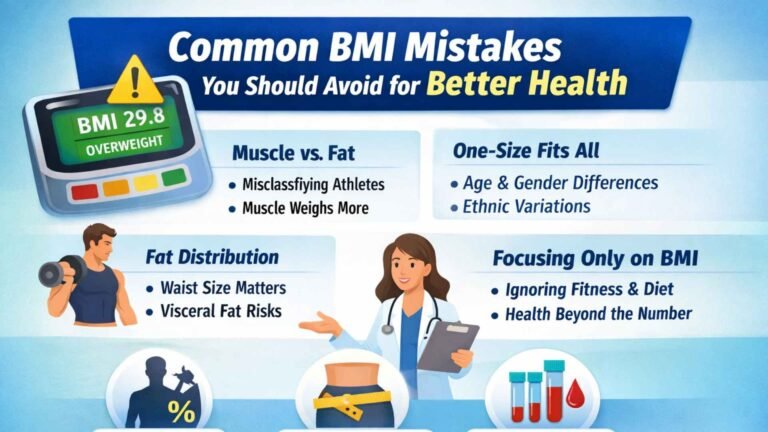
Although BMI is useful, it is not a perfect measurement of body composition. It does not distinguish between fat mass and muscle mass.
For example, athletes may have higher BMI values because muscle tissue weighs more than fat. BMI also does not consider factors such as body fat distribution or bone density.
Because of these limitations, BMI is usually used together with other health measurements.
How a BMI Chart for Adults Works
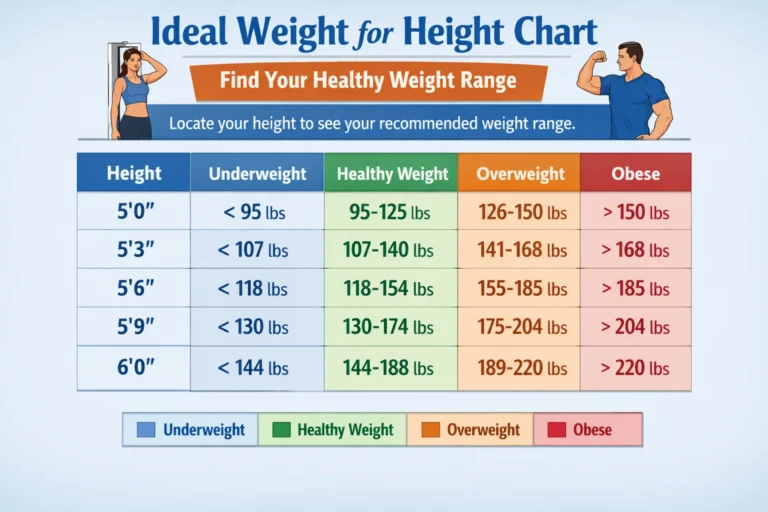
A BMI chart is designed to help people interpret BMI values easily. Instead of calculating BMI manually, individuals can locate their height and weight on the chart to determine their BMI category.
BMI charts usually display height on one axis and weight on another axis. The point where the two measurements intersect represents the BMI value.
These charts often include color-coded sections that indicate different weight categories. This visual format makes it easier for individuals to understand their weight status.
Purpose of BMI Charts
BMI charts simplify the process of identifying BMI categories. They allow individuals to quickly determine whether their weight falls within a healthy range.
Many healthcare providers use BMI charts because they provide a standardized way to evaluate body weight.
Benefits of Using BMI Charts
BMI charts are easy to read and require no complex calculations. They help individuals monitor their weight status and track changes over time.
Regular use of BMI charts can encourage healthier habits such as improved nutrition and increased physical activity.
BMI Charts in Healthcare
Hospitals and clinics often use BMI charts as part of routine medical assessments. Doctors may use these charts to evaluate whether a patient’s weight may contribute to health problems.
BMI charts are also used in fitness centers and health education programs to promote awareness about healthy weight ranges.
BMI Categories for Adults
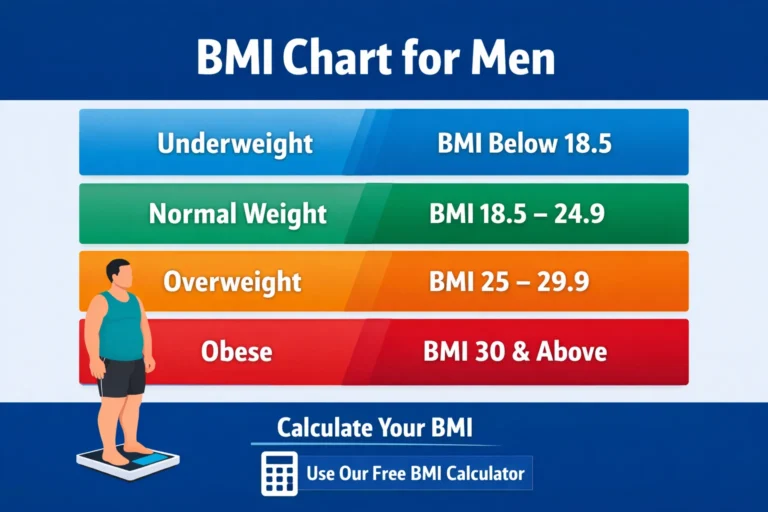
BMI charts divide weight status into four main categories. These categories help individuals understand whether their body weight is within a healthy range.
Underweight Category
Adults with BMI values below 18.5 are considered underweight. This may indicate that the body lacks sufficient energy reserves or that nutritional intake is inadequate.
Being underweight may increase the risk of nutritional deficiencies, weakened immune function, and reduced muscle strength.
Normal Weight Category
A BMI between 18.5 and 24.9 is considered a healthy or normal weight range. Adults in this category generally have a balanced relationship between body weight and height.
Maintaining BMI within this range is associated with lower risk of many chronic diseases.
Overweight Category
A BMI between 25 and 29.9 falls into the overweight category. This suggests that body weight may be higher than recommended.
Overweight individuals may have increased risk of developing conditions such as high blood pressure and metabolic disorders.
Obesity Category
A BMI of 30 or higher is classified as obesity. Obesity is associated with increased risk of several serious health conditions including heart disease, diabetes, and joint problems.
Individuals in this category may benefit from lifestyle changes or professional medical guidance.
Health Risks Related to High BMI
High BMI values are often associated with increased risk of many chronic health conditions.
Cardiovascular Disease
Excess body weight can increase blood pressure and cholesterol levels, which raises the risk of heart disease and stroke.
Type 2 Diabetes
High BMI is strongly associated with insulin resistance and type 2 diabetes.
Joint Problems
Extra body weight places stress on joints, especially the knees and hips, increasing the risk of arthritis and mobility issues.
Sleep Disorders
Obesity may contribute to sleep apnea, a condition that disrupts breathing during sleep and affects overall health.
Factors That Influence BMI
Several factors can influence BMI values and body weight patterns.
Age and Metabolism
As people age, metabolism slows down. This can lead to gradual weight gain if physical activity levels decrease.
Muscle Mass
Individuals with high muscle mass may have higher BMI values even though they are physically fit.
Genetic Factors
Genetics influence body structure, metabolism, and fat distribution patterns.
Lifestyle Habits
Diet, exercise, sleep quality, and stress levels all affect body weight and BMI values.
Healthy Lifestyle Habits to Maintain Balanced BMI
Maintaining a healthy BMI requires consistent lifestyle habits.
Balanced Nutrition
Eating a diet rich in fruits, vegetables, whole grains, lean proteins, and healthy fats helps support healthy body weight.
Regular Physical Activity
Exercise helps burn calories and maintain muscle mass. Activities such as walking, cycling, and strength training are effective for weight management.
Adequate Sleep
Sleep plays a role in regulating hormones that control hunger and metabolism.
Stress Management
Managing stress can prevent emotional eating and support healthy weight maintenance.
Conclusion
A BMI chart for adults is a valuable tool for understanding body weight in relation to height. By comparing BMI values with standard categories, adults can determine whether their weight falls within a healthy range.
Although BMI does not measure body fat directly, it remains one of the most widely used health indicators worldwide. Monitoring BMI regularly and maintaining healthy lifestyle habits can significantly improve long-term health and overall quality of life.