BMI vs Body Fat Percentage – Which Measurement is More Accurate for Health and Fitness? (Complete Guide 2026)
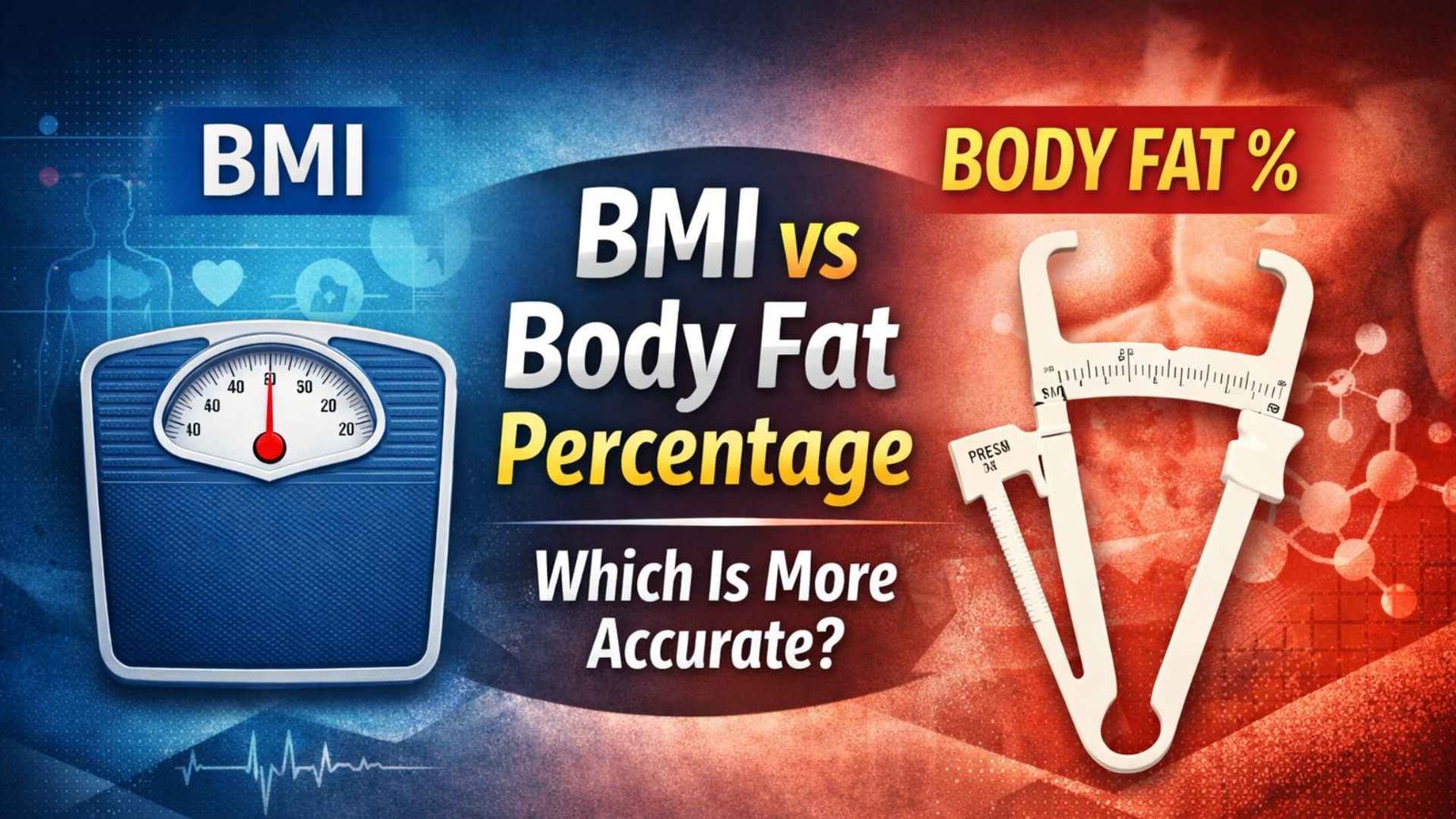
Understanding your body requires more than just checking your weight. Many people rely on numbers like BMI or the reading on a weighing scale, but these values do not always reflect true health. Two individuals with the same weight can have completely different levels of fat, muscle, and overall fitness.
BMI and body fat percentage are two widely used methods to evaluate health and fitness. While both are useful, they measure different aspects of the body. This difference is important because it affects how accurately each method reflects your physical condition.
In this detailed guide, you will learn how BMI and body fat percentage work, their advantages and limitations, and which method provides a more accurate understanding of your health.
Understanding Body Composition and Why It Matters for Health
Body composition refers to how your body is made up of fat, muscle, bone, and water. It provides a deeper understanding of health compared to just measuring body weight. A healthy body is not simply about being lighter but about having the right balance between fat and lean mass.
For example, a person with higher muscle and lower fat is generally healthier than someone with the same weight but higher fat levels. This is why focusing only on weight can be misleading when evaluating overall fitness and well-being.
Key components of body composition include:
- Fat mass, including essential and stored fat
- Lean mass, such as muscles and organs
- Bone structure and density
- Water content within the body
Understanding these components helps you assess your health more accurately.
What is BMI and How It Measures Body Weight
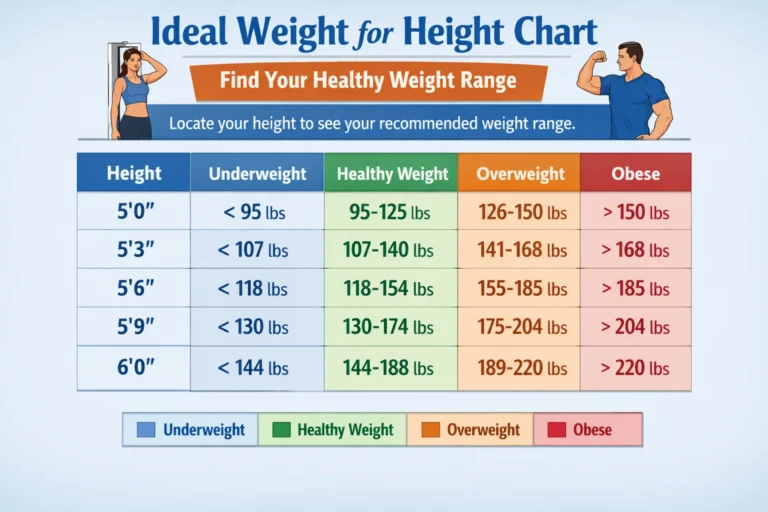
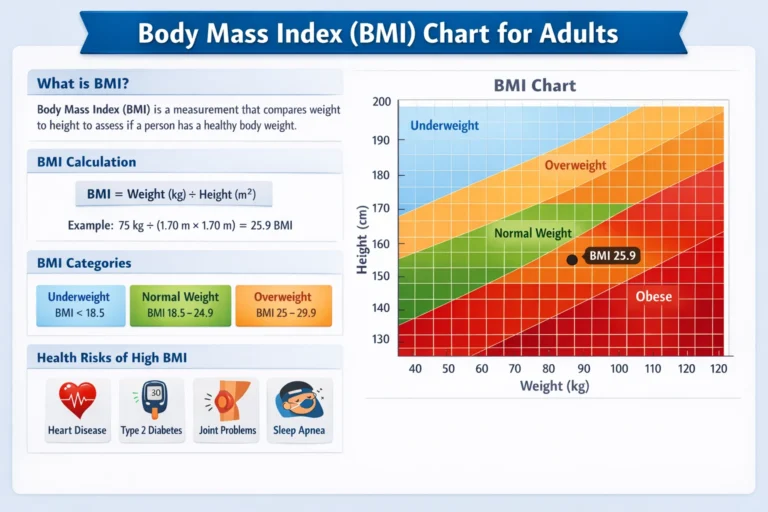
BMI, or Body Mass Index, is a simple calculation that estimates whether your weight is appropriate for your height. It is one of the most commonly used tools worldwide because it is easy to calculate and does not require any special equipment.
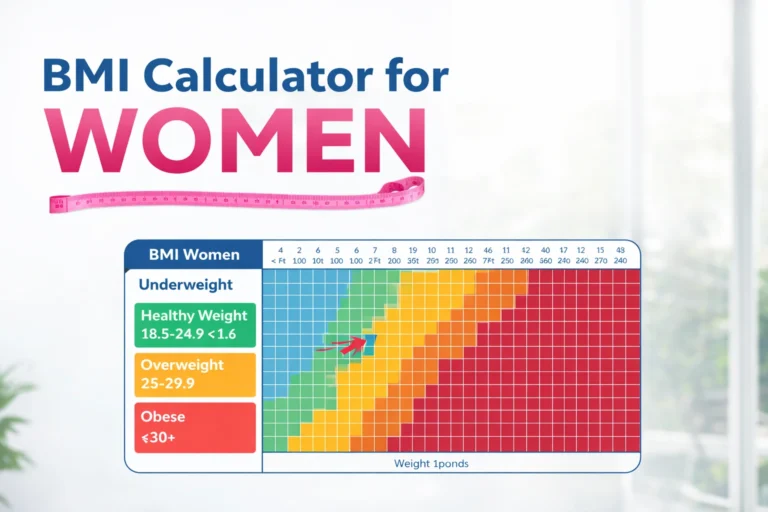
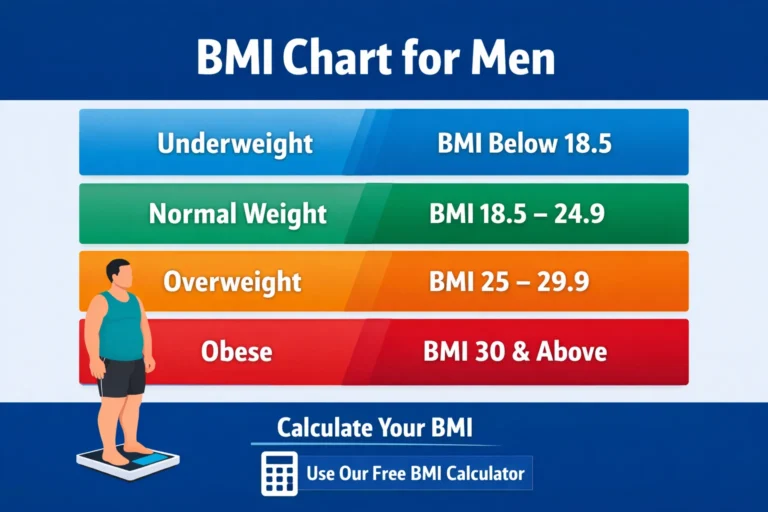
BMI is calculated using your weight and height, and it places you into categories such as underweight, normal weight, overweight, or obese. These categories are used to identify general health risks related to body weight.
BMI categories are defined as:
- Underweight: Below 18.5
- Normal weight: 18.5 to 24.9
- Overweight: 25 to 29.9
- Obese: 30 and above
BMI is useful for quick assessments, but it should not be the only measure used to evaluate health.
Limitations of BMI in Measuring True Body Health
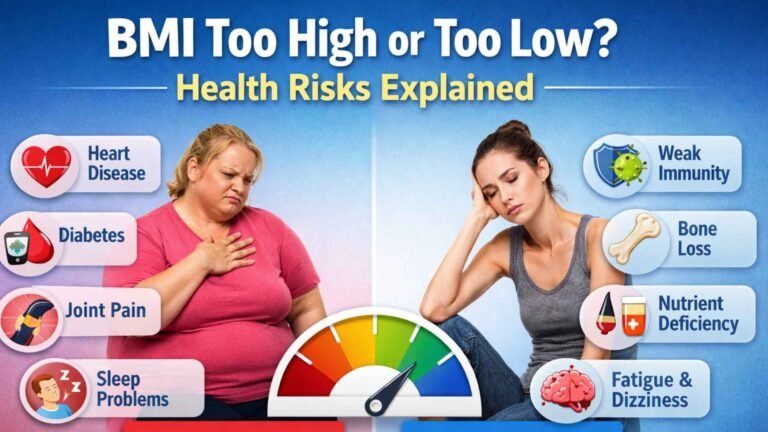
Although BMI is widely used, it has several important limitations that affect its accuracy. It does not measure body fat directly and cannot distinguish between fat and muscle. This can lead to incorrect classifications for people with high muscle mass.
BMI also ignores where fat is stored in the body, even though fat distribution plays a major role in health risks. Additionally, it does not consider age, gender, or individual body differences, which can impact results.
Common limitations of BMI include:
- It does not differentiate between muscle and fat
- It ignores fat distribution in the body
- It may misclassify athletes as overweight
- It does not adjust for age or gender
- It provides only a general estimate of health
Because of these limitations, BMI should be used carefully and combined with other measurements.
What is Body Fat Percentage and Why It is Important
Body fat percentage measures the amount of fat in your body compared to your total weight. Unlike BMI, it focuses directly on body composition, making it a more accurate indicator of health and fitness.
This measurement helps you understand whether your weight comes from fat or lean mass. It is especially useful for tracking fitness progress, fat loss, and muscle gain over time.
Healthy body fat ranges vary between men and women:
- Men: Approximately 14% to 24% is considered healthy
- Women: Around 21% to 31% is considered normal
Body fat percentage provides a clearer picture of overall health.
How Body Fat Percentage is Measured in Practice
Body fat percentage can be measured using different methods, each with varying levels of accuracy. Some methods are simple and suitable for home use, while others require professional equipment.
Common measurement methods include:
- Skinfold calipers for basic estimation
- Smart scales using bioelectrical impedance
- Hydrostatic weighing for improved accuracy
- DEXA scans for highly precise results
Even basic tools can provide useful insights when used consistently over time.
BMI vs Body Fat Percentage Comparison for Accuracy
BMI and body fat percentage differ significantly in how they measure health. BMI focuses on weight relative to height, while body fat percentage measures the actual fat in the body. This makes body fat percentage more accurate in most situations.
BMI is simple and convenient, making it useful for quick evaluations. Body fat percentage requires more effort but provides deeper and more meaningful insights into body composition and health.
Main differences include:
- BMI measures weight but not body composition
- Body fat percentage measures actual fat levels
- BMI is easy but less precise
- Body fat percentage is detailed and more accurate
Understanding these differences helps you choose the right method.
Discover what your body needs—explore practical BMI insights.
Which Measurement is More Accurate for Health Assessment
When comparing both methods, body fat percentage is generally more accurate because it directly measures fat levels. It reflects true body composition and provides better insights into overall health and fitness.
However, BMI still has value as a quick and simple screening tool. It can help identify potential risks and provide a starting point for further analysis.
Key conclusions include:
- Body fat percentage provides more accurate results
- BMI is useful for general assessment
- Both methods serve different purposes
- Combining both gives better insights
Using both methods together leads to a more complete understanding.
When to Use BMI and When to Use Body Fat Percentage
BMI is useful when you need a quick estimate or do not have access to tools. It is commonly used for general health checks and large population studies. It is also helpful for beginners who want a simple starting point.
Body fat percentage should be used when you want detailed and accurate information. It is ideal for tracking fat loss, muscle gain, and overall fitness progress.
Use BMI when:
- You want a quick and simple estimate
- You do not have access to measurement tools
- You need general health information
Use body fat percentage when:
- You want precise results
- You are tracking fitness progress
- You are focused on fat loss or muscle gain
Practical Ways to Improve Body Composition Naturally
Improving your health requires focusing on body composition rather than just weight. This means reducing excess fat while maintaining or increasing muscle mass. A balanced approach to diet and exercise is essential.
Consistency plays a key role in achieving long-term results. Small improvements over time can lead to significant changes in overall health and fitness.
Key strategies include:
- Follow a balanced and nutritious diet
- Engage in regular physical activity
- Include strength training exercises
- Monitor body fat instead of just weight
- Maintain consistent healthy habits
Focusing on these factors will help you achieve sustainable results.
FAQs About BMI and Body Fat
Is BMI enough to measure health accurately
BMI is not enough on its own because it does not measure body fat or composition. It should be used along with other methods.
Can someone have a normal BMI but still be unhealthy
Yes, this is known as being “skinny fat,” where body fat is high despite a normal BMI.
Which method is better for tracking weight loss progress
Body fat percentage is better because it shows actual fat loss rather than just changes in weight.
How often should body fat percentage be checked
It can be checked every few weeks to monitor progress and make adjustments to your routine.
Conclusion
BMI and body fat percentage are both useful tools, but they serve different roles in health assessment. BMI is simple and provides a quick overview, while body fat percentage offers a more detailed and accurate understanding of your body.
For the best results, it is important to use both methods together and focus on improving your body composition. True health is not defined by weight alone but by the balance between fat, muscle, and overall fitness.
Know your body better—use our free BMI calculator.