
Ideal Weight for Height: Complete Guide to Healthy Body Weight
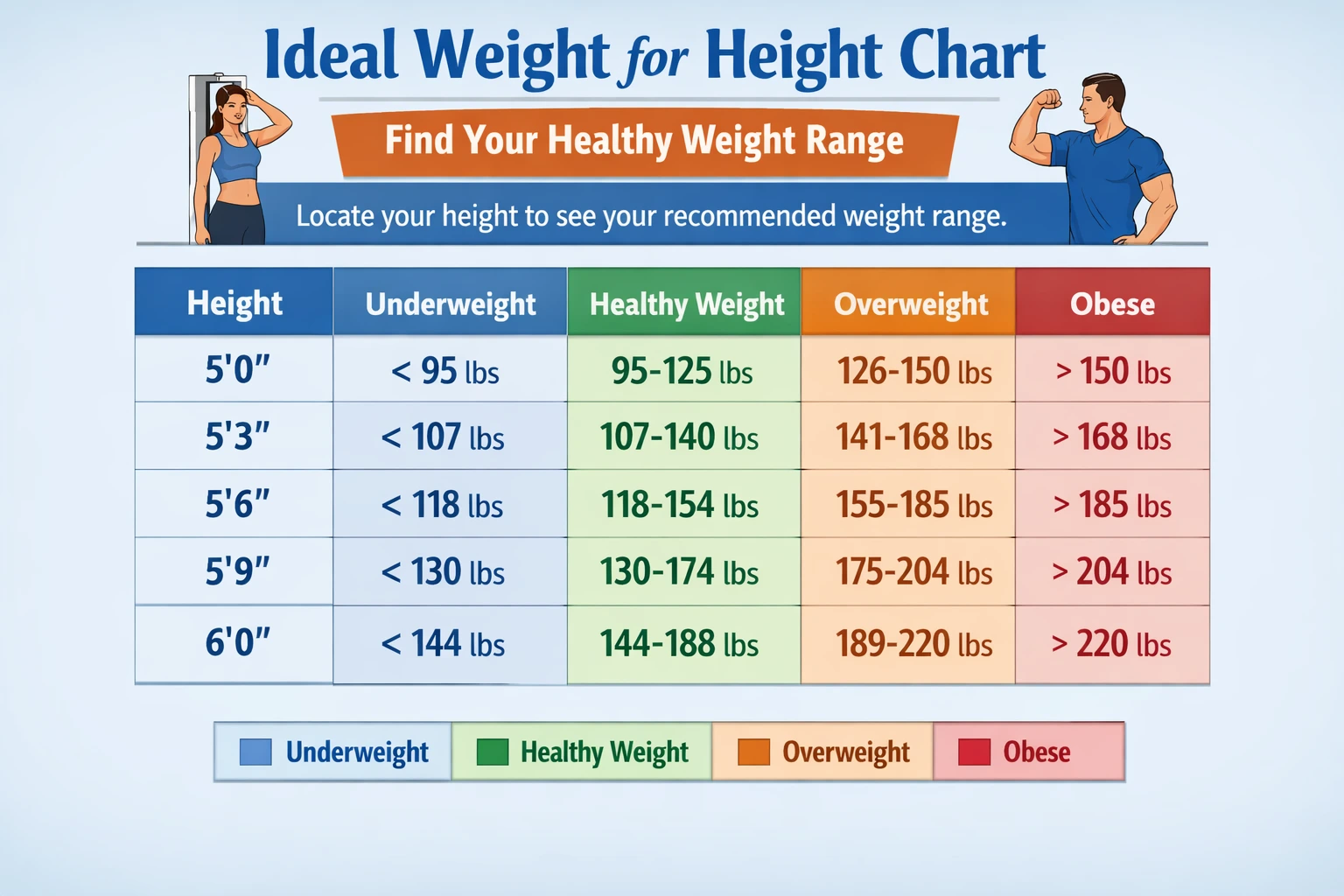
Maintaining the correct balance between height and body weight is one of the most important factors in achieving overall health. Many people want to know whether their current weight is suitable for their height, and understanding the concept of ideal weight for height can help answer that question. When body weight is balanced with height, the body can function efficiently without unnecessary strain on the heart, joints, and internal organs.
The term ideal weight refers to a healthy weight range that allows the body to maintain optimal metabolic activity, physical strength, and energy levels. While exact numbers may vary depending on body composition, age, gender, and lifestyle habits, medical professionals often estimate ideal weight using scientific guidelines such as body mass index calculations, height-weight charts, and body composition analysis.
Understanding the connection between height and weight helps individuals develop better lifestyle habits. By maintaining a healthy weight relative to height, people can improve their physical fitness, reduce the risk of chronic diseases, and enhance overall quality of life.
Understanding Ideal Weight for Height
Ideal weight for height describes the body weight that is considered healthy and appropriate for a specific height. Instead of focusing on a single number, health experts usually recommend a weight range that allows for natural differences in body structure and muscle mass.
Maintaining body weight within this healthy range helps ensure that the body’s organs, muscles, and skeletal system work efficiently. It also supports better circulation, balanced hormones, and proper metabolic function.
Why Height Is Used to Determine Healthy Weight
Height plays an essential role in determining healthy body weight because it reflects the size of a person’s skeletal structure. Taller individuals generally have larger bones and more muscle mass potential, which means they require more body weight to support their frame.
Shorter individuals naturally require less body mass to maintain healthy body composition. Because of these differences, healthy weight recommendations are always linked to height rather than using a universal weight standard.
The Relationship Between Height, Weight, and Body Proportion
Body proportion refers to how weight is distributed across the body. When body weight is balanced with height, the body maintains proper posture, efficient movement, and healthy energy levels.
When weight is significantly higher than the recommended range for height, the body may experience increased strain on joints, muscles, and the cardiovascular system. Conversely, when body weight is too low for a person’s height, the body may lack essential energy reserves and nutrients needed for normal function.
Why Maintaining Ideal Weight Is Important
Maintaining an appropriate weight for height offers numerous health benefits. Individuals within the healthy weight range often experience improved endurance, better mobility, and stronger immune function.
Healthy weight also supports balanced metabolism, improves cardiovascular health, and reduces the risk of conditions such as diabetes, hypertension, and obesity-related complications.
Scientific Methods Used to Estimate Ideal Weight
Healthcare professionals use several methods to determine healthy weight ranges for different heights. These methods provide guidelines that help individuals evaluate whether their weight falls within a healthy range.
Body Mass Index Method
Body Mass Index (BMI) is one of the most widely used methods for evaluating body weight relative to height. BMI is calculated using a simple formula that compares body weight with height.
BMI Formula
BMI = Weight (kg) ÷ Height (m²)
This calculation provides a numerical value that indicates whether an individual is underweight, within a healthy weight range, overweight, or obese.
A BMI value between 18.5 and 24.9 is generally considered a healthy range for most adults.
Free BMI Calculator
A free BMI calculator is an easy online tool that helps people quickly calculate their body mass index using their height and weight. By entering these measurements, individuals can instantly see their BMI value and understand whether their weight falls within a healthy range.
Using a free BMI calculator makes it easier to check if a person is underweight, within a healthy weight range, overweight, or obese according to standard BMI guidelines. This tool helps people better understand their body weight in relation to their height and supports healthier lifestyle decisions.
Advantages of Using BMI
BMI is widely used because it is simple, quick, and inexpensive to calculate. It does not require specialized medical equipment and can easily be calculated using height and weight measurements.
However, BMI should be interpreted carefully because it does not differentiate between muscle mass and body fat.
Height and Weight Chart Method
Height-weight charts provide recommended weight ranges based on a person’s height. These charts are commonly used in healthcare settings and fitness programs because they are easy to understand.
How Height Weight Charts Work
These charts display height on one side and the corresponding healthy weight range on the other. By locating your height on the chart, you can quickly determine the recommended weight range for your body structure.
Benefits of Height Weight Charts
Height weight charts provide a quick visual reference for determining healthy weight ranges. They are particularly helpful for individuals who want to track their weight over time and maintain a balanced body proportion.
Body Composition Analysis
Body composition analysis provides a more detailed understanding of body structure. Instead of focusing only on body weight, this method measures body fat percentage, muscle mass, bone density, and water content.
Importance of Body Fat Percentage
Body fat percentage is an important factor in evaluating health because excess body fat can increase the risk of metabolic diseases. Even individuals with normal body weight may have unhealthy body fat levels.
Body composition analysis is often used by athletes and fitness professionals to gain deeper insights into physical health.
Ideal Weight Ranges Based on Height
Healthy weight ranges vary depending on height and body structure. While exact numbers may differ slightly depending on the method used, general guidelines help individuals determine appropriate weight ranges.
Ideal Weight for Shorter Individuals
Individuals with shorter height generally have lower healthy weight ranges. Maintaining a balanced diet and engaging in regular physical activity can help ensure that body weight remains within a healthy range.
Shorter individuals should focus on consuming nutrient-dense foods that support muscle strength and overall health.
Ideal Weight for Average Height Individuals
People with average height typically fall within moderate weight ranges. Maintaining consistent lifestyle habits such as balanced nutrition and regular exercise helps keep body weight stable.
Individuals within the healthy range often experience improved physical fitness, better energy levels, and lower risk of health complications.
Ideal Weight for Taller Individuals
Taller individuals generally have larger skeletal structures and greater muscle mass potential. As a result, their healthy weight ranges tend to be higher than those of shorter individuals.
However, maintaining balanced body composition is still essential regardless of height.
Health Risks of Being Above Ideal Weight
Carrying excess body weight can affect multiple systems in the body and increase the risk of several health conditions.
Cardiovascular Diseases
Excess weight can increase blood pressure and cholesterol levels, which raises the risk of heart disease and stroke.
Metabolic Disorders
Higher body fat levels may interfere with insulin regulation, leading to conditions such as type 2 diabetes and metabolic syndrome.
Joint Stress and Mobility Problems
Extra weight places additional pressure on joints, especially the knees, hips, and spine. Over time, this may lead to joint pain and reduced mobility.
Respiratory and Sleep Problems
Obesity is often associated with sleep disorders such as sleep apnea, which can affect breathing during sleep and reduce overall sleep quality.
Health Risks of Being Below Ideal Weight
Being significantly underweight can also lead to health complications.
Nutritional Deficiencies
Underweight individuals may not receive adequate nutrients required for healthy body function.
Weakened Immune System
Low body weight may weaken the immune system, making individuals more susceptible to infections.
Muscle Loss and Fatigue
Insufficient body weight can lead to muscle loss, reduced strength, and lower physical endurance.
Reduced Bone Density
Underweight individuals may have lower bone density, increasing the risk of fractures and osteoporosis.
Lifestyle Habits That Support Ideal Weight
Maintaining an appropriate weight for height requires consistent lifestyle habits that promote overall health.
Balanced and Nutritious Diet
A healthy diet should include a variety of nutrient-rich foods such as fruits, vegetables, whole grains, lean proteins, and healthy fats.
These foods provide essential nutrients that support metabolism and maintain healthy body composition.
Regular Physical Activity
Exercise plays an essential role in maintaining healthy weight. Activities such as walking, jogging, cycling, swimming, and resistance training help regulate body weight and improve physical fitness.
Adequate Sleep and Recovery
Quality sleep is essential for regulating hormones that control appetite and metabolism. Poor sleep patterns may lead to weight gain or unhealthy eating habits.
Stress Management
Managing stress is important because stress can influence eating behavior and lifestyle habits. Relaxation techniques such as meditation, yoga, and breathing exercises can help maintain emotional balance.
Monitoring Weight and Health Indicators
Regular monitoring of body weight helps individuals stay aware of changes in their health. Tracking weight along with BMI, waist circumference, and body fat percentage can provide a more accurate understanding of body composition.
Monitoring these indicators helps individuals adjust their lifestyle habits and maintain healthy body weight over time.
Conclusion
Understanding ideal weight for height is essential for maintaining balanced body composition and promoting long-term health. While ideal weight may vary depending on factors such as genetics, muscle mass, and lifestyle habits, maintaining weight within the recommended range supports optimal body function.
By following healthy lifestyle practices such as balanced nutrition, regular exercise, adequate sleep, and stress management, individuals can maintain healthy body weight and improve their overall quality of life.