
BMI Calculator for Women – Check Your Healthy Weight
Maintaining a healthy body weight is essential for a woman’s overall well-being. Body weight influences physical fitness, energy levels, hormonal balance, and long-term health. Many women want to understand whether their current weight is suitable for their height and lifestyle. One of the most commonly used tools to evaluate this relationship is Body Mass Index, often referred to as BMI.
A BMI calculator for women helps estimate body mass index by using two simple measurements: height and weight. The result indicates whether a woman falls into categories such as underweight, normal weight, overweight, or obese. These categories provide a general understanding of weight status and possible health risks.
Although BMI does not directly measure body fat, it is widely used by doctors, nutritionists, and health professionals around the world. By understanding BMI and monitoring it regularly, women can gain better insight into their health and make informed decisions about nutrition, physical activity, and lifestyle habits.
Understanding Body Mass Index for Women
Body Mass Index is a health measurement used to estimate whether body weight is appropriate for a person’s height. It is calculated using a simple formula that divides body weight by the square of height. The resulting number provides a general indication of whether body weight is within a healthy range.
BMI was originally developed as a statistical tool to study body weight patterns in large populations. Over time, it became widely accepted as a basic health indicator for individuals. Healthcare professionals use BMI as an initial screening method to identify possible weight-related health concerns.
For women, BMI can help provide insight into overall health because body weight is closely linked with metabolism, cardiovascular health, and hormone balance. Regularly checking BMI can help women stay aware of changes in their weight and take steps to maintain a healthy lifestyle.
How BMI is Calculated for Women
The BMI calculation is based on two measurements: body weight and height. Weight is measured in kilograms, while height is measured in meters. The formula divides body weight by the square of height to determine the BMI value.
For example, if a woman weighs 60 kilograms and her height is 1.65 meters, the calculation involves multiplying the height by itself and dividing the body weight by that number. The result indicates the body mass index value.
Many people prefer using an online BMI calculator because it automatically performs the calculation and provides immediate results. By simply entering height and weight, users can quickly determine their BMI and see which weight category they fall into.
Using a BMI calculator saves time and helps individuals monitor their health more easily without performing manual calculations.
BMI Categories and What They Mean
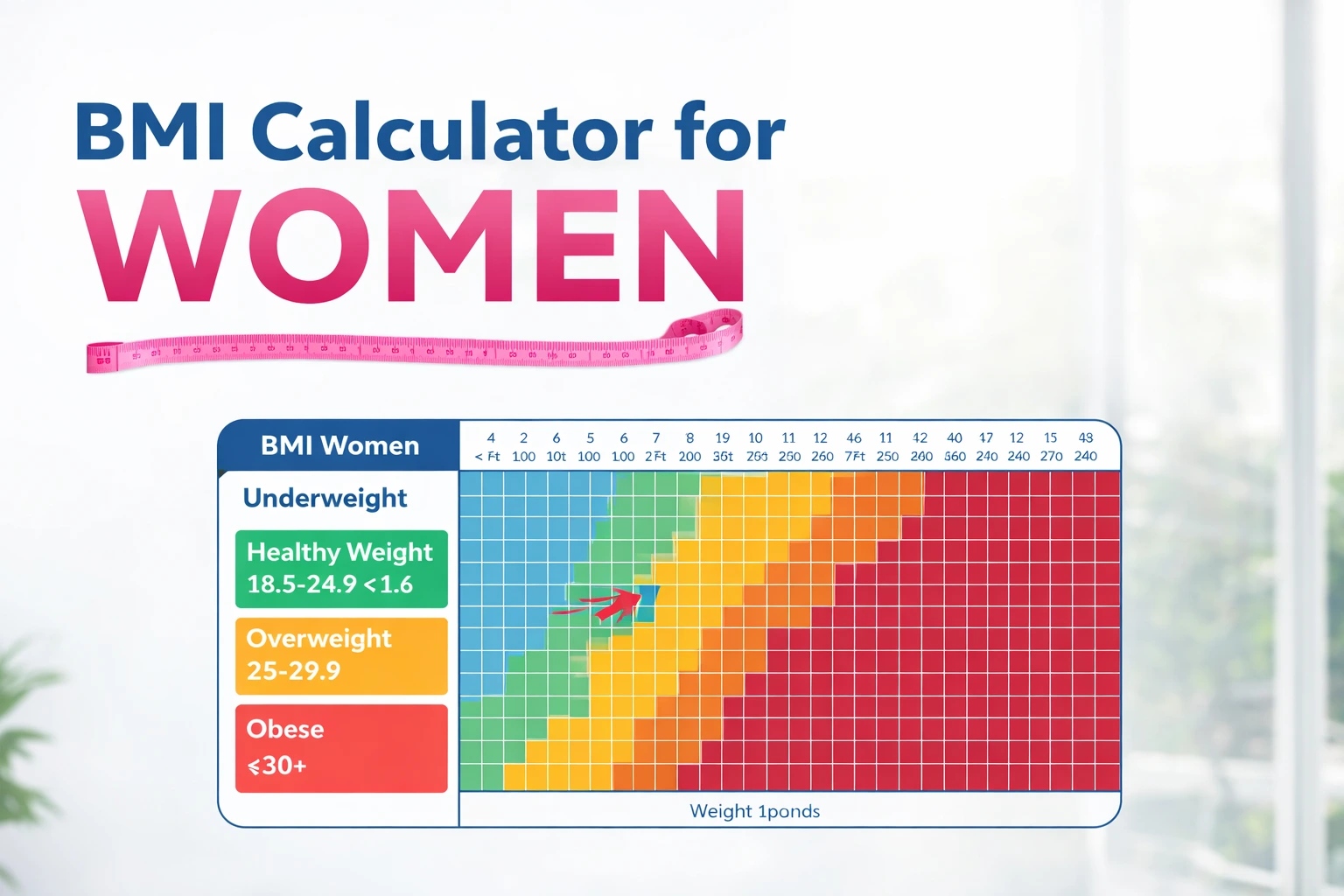
BMI values are grouped into categories that help interpret weight status. These categories are based on international health guidelines used by medical organizations around the world.
A BMI value below 18.5 is considered underweight. This may indicate that body weight is lower than recommended and that nutritional intake may need improvement.
A BMI between 18.5 and 24.9 is considered normal weight. Women in this range generally have a balanced relationship between height and weight and usually face lower health risks.
A BMI between 25 and 29.9 falls within the overweight category. This may suggest that body weight is higher than recommended and that lifestyle changes may be beneficial.
A BMI of 30 or higher is classified as obesity. This range may increase the risk of several health conditions and often requires careful weight management.
Factors That Influence BMI in Women
Several factors can affect BMI results in women. Age is one important factor because metabolism tends to change over time. As women grow older, their metabolic rate may decrease, which can influence body weight.
Muscle mass is another important factor. Muscle tissue is denser than fat, so women who participate in strength training or athletic activities may have a slightly higher BMI even though they are physically fit.
Hormonal changes also play a role in body weight patterns. Events such as pregnancy, menopause, and hormonal fluctuations can influence metabolism and body composition.
Lifestyle habits such as diet, physical activity, and sleep patterns also affect body weight. Because of these influences, BMI should be considered a general health indicator rather than a precise measurement of body fat.
Healthy Lifestyle Habits to Maintain Balanced BMI
Maintaining a healthy BMI requires consistent daily habits that support both physical and mental health. Nutrition plays a major role in maintaining balanced body weight. A healthy diet should include fruits, vegetables, whole grains, lean protein sources, and healthy fats.
Regular physical activity is also important for weight management. Activities such as walking, cycling, swimming, yoga, and strength training help improve metabolism and support healthy body composition.
Adequate sleep is another essential factor. Poor sleep may disrupt hormones that regulate appetite and metabolism, which can lead to weight gain over time.
Stress management also plays a role in maintaining healthy weight. High stress levels can affect eating habits and energy balance, making it more difficult to maintain a stable BMI.
Limitations of BMI as a Health Indicator
Although BMI is widely used, it has certain limitations. BMI does not directly measure body fat percentage and cannot distinguish between muscle and fat tissue. This means that individuals with high muscle mass may appear overweight according to BMI even if they are healthy.
BMI also does not account for differences in bone density, body composition, or fat distribution. Two women with the same BMI may have different health profiles depending on their lifestyle and physical fitness.
Because of these limitations, healthcare professionals often combine BMI with additional health assessments such as waist circumference, body fat percentage, and overall physical fitness evaluation.
Despite these limitations, BMI remains a useful screening tool that helps individuals understand their weight status and take steps toward healthier living.
Conclusion
A BMI calculator for women is a simple and practical tool that helps evaluate body weight in relation to height. By calculating BMI, women can quickly understand whether their weight falls within a healthy range.
Although BMI does not measure body fat directly, it remains one of the most commonly used health indicators worldwide. Monitoring BMI regularly allows women to stay aware of changes in their weight and make healthier lifestyle choices.
Maintaining a balanced BMI through nutritious eating, regular exercise, adequate sleep, and positive daily habits can support long-term health and overall well-being.