
Pomerusky: Ultimate Guide to Size, Care & Personality
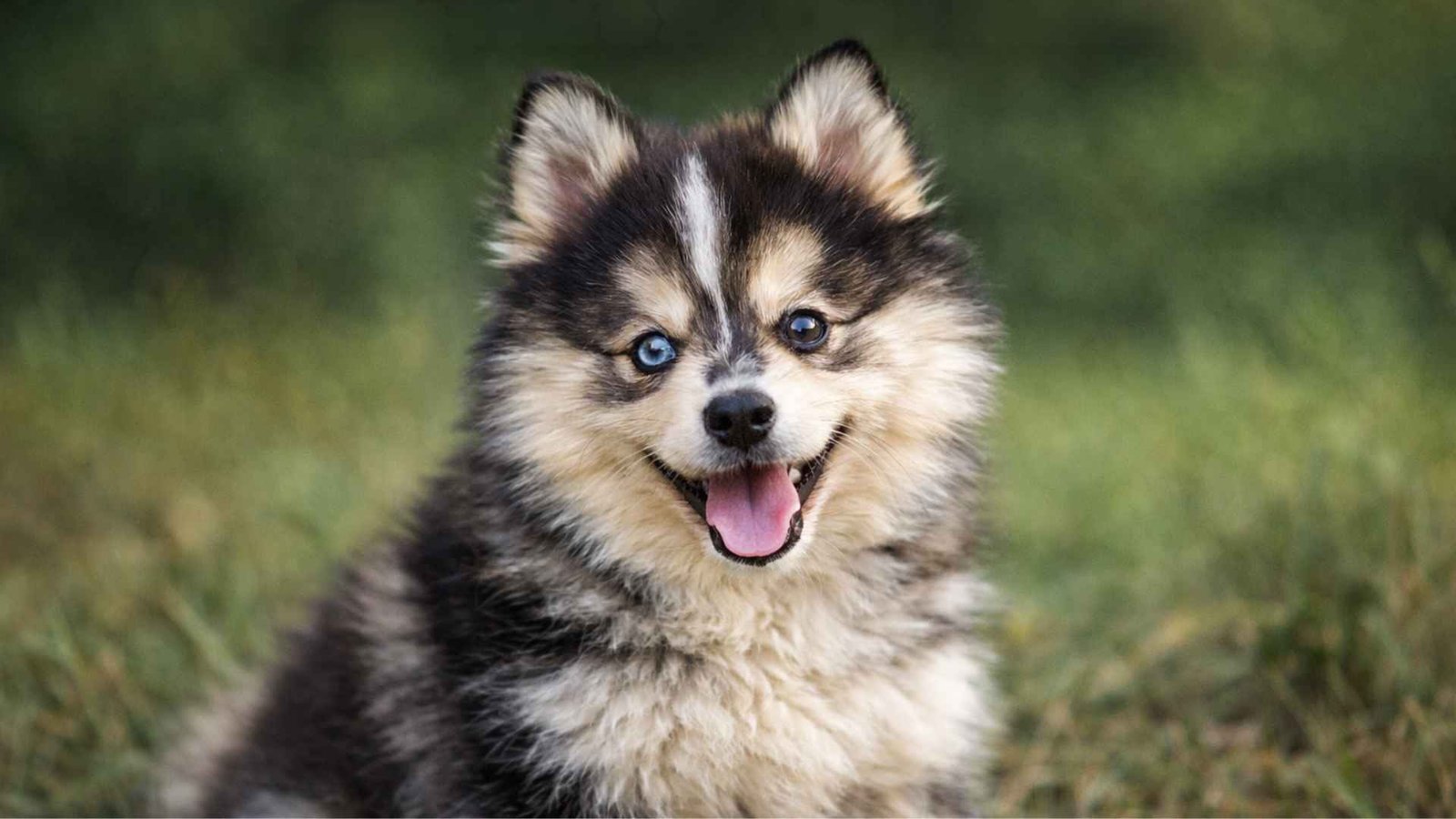
The Pomerusky, a charming hybrid of the Pomeranian and Siberian Husky, has rapidly gained popularity due to its unique blend of adorable appearance and lively personality. This hybrid dog offers the small size and fluffy coat of the Pomeranian, combined with the strength and intelligence of the Siberian Husky, creating an ideal companion for active individuals and families. In addition to being a playful and affectionate pet, the Pomerusky also adapts well to various living environments, making it a suitable option for those in both urban and suburban areas.
In this article, we will delve into the Pomerusky’s origins, physical characteristics, personality traits, care needs, and training strategies, providing a complete guide for potential owners. With detailed insights into what makes this breed so special, you’ll understand why Pomeruskies have become one of the most loved designer dog breeds in recent years.
What is a Pomerusky?
The Pomerusky is a designer dog breed, born from the cross between the Pomeranian, a small toy breed, and the Siberian Husky, a large, strong dog known for its athletic build and intelligent demeanor. This hybrid dog combines the adorable fluffiness of the Pomeranian with the majestic features and athleticism of the Husky, resulting in a dog that is not only visually striking but also full of energy and playfulness.
Size and Physical Traits of the Pomerusky
The Pomerusky generally weighs between 7 to 25 pounds and stands between 10 to 15 inches tall at the shoulder, making it a small-to-medium-sized dog. This size variation is influenced by the dominant genes inherited from either parent breed, with some Pomeruskies being smaller and resembling the Pomeranian and others larger and closer in size to the Husky. Despite their size, they maintain the compact, muscular frame of a playful and agile dog, well-suited to active families or owners.
Personality and Behavior
In terms of temperament, the Pomerusky is an affectionate, loyal, and energetic dog that thrives on human companionship. These dogs can be independent due to their Husky lineage, but they are equally known for their affectionate nature and love of family interactions. They enjoy being center stage, actively participating in family activities, and receiving attention from their owners. However, they are also quite intelligent and sometimes stubborn, a trait inherited from both parent breeds.
The Origins and History of the Pomerusky
The Rise of Hybrid Dog Breeds
The Pomerusky is part of the designer dog movement, which gained momentum in the early 2000s. This movement focused on intentionally crossbreeding purebred dogs to combine the best traits of each breed. The goal was to create dogs that had not only aesthetic appeal but also healthier genetics, fewer hereditary issues, and more adaptable temperaments. The Pomerusky was created as a hybrid to combine the intelligence and endurance of the Husky with the compact size and charming personality of the Pomeranian, creating an ideal dog for urban living.
The Popularity of the Pomerusky
As the hybrid dog trend continued to grow, the Pomerusky became a popular choice among urban dwellers, particularly those looking for a smaller dog with the energy and beauty of the Husky. Their Instagram-worthy appearance, with their fluffy coats and fox-like faces, quickly made them an internet sensation. The Pomerusky was soon being embraced by a wider audience, making it one of the most well-known designer dog breeds. Social media platforms such as Instagram and TikTok contributed to their fame, showcasing their cute looks and playful personalities, which further fueled the demand for them as family pets.
Designer Dogs: The Pomerusky’s Evolution
The Appeal of Hybrid Breeds
The evolution of designer dogs like the Pomerusky lies in the desire to create dogs that fit specific lifestyle needs. Breeders of hybrid dogs aimed to combine the best features of two different breeds, resulting in healthier, more adaptable pets. The Pomerusky was bred to combine the playful nature and adorable appearance of the Pomeranian with the athleticism, intelligence, and endurance of the Siberian Husky. This created a dog that is small enough to live comfortably in apartments but energetic enough to keep up with active owners.
The Growing Popularity of the Pomerusky
The Pomerusky’s growing popularity can also be attributed to the fact that it offers the Husky’s looks in a manageable size. The breed is highly desirable for those who want the beauty of a Husky, including its striking face markings and blue eyes, without the associated size and exercise demands of a full-sized Husky. This designer breed has become an increasingly popular choice for those seeking companionship without the commitment required by larger breeds.
How Pomeruskies Are Created: The Breeding Process
Breeding the Pomerusky: Challenges and Considerations
Creating a Pomerusky involves a careful breeding process. Due to the significant size difference between the Siberian Husky and the Pomeranian, breeders must consider the genetic characteristics of each parent. In most cases, artificial insemination is used to breed the female Husky with the male Pomeranian to ensure a safe and successful pregnancy. This technique minimizes the risk of complications and ensures the health of both the mother and the puppies.
Generational Differences and Traits
First-generation (F1) Pomeruskies can vary greatly in size, appearance, and temperament, as they inherit different traits from each parent breed. Some may be closer in size to the Pomeranian, while others take after the Husky in terms of size and energy levels. However, second-generation (F2) and third-generation (F3) litters tend to have more consistent physical traits and predictable temperaments, making them more desirable for potential dog owners who prefer a more uniform appearance.
Physical Characteristics of the Pomerusky
Size, Body Structure, and Build
The Pomerusky is typically a small-to-medium-sized dog with an average weight of 7 to 25 pounds and a height ranging from 10 to 15 inches. These dogs have a compact, muscular frame that gives them a solid appearance without sacrificing agility. Their sturdy build allows them to handle both indoor play and outdoor activities. While their size may vary depending on the genetic influence of the parents, most Pomeruskies retain a manageable and versatile size that fits well in both apartments and larger homes.
Coat, Color, and Unique Features
The Pomerusky’s coat is one of its most defining features, with a thick, fluffy double-layered coat that provides excellent insulation and gives them their fox-like appearance. These dogs come in various colors, including black, white, cream, red, sable, and often display distinctive facial markings similar to those of the Siberian Husky. Their long, fluffy tails curl over their backs, further enhancing their charming look. While their coat is visually striking, it requires regular grooming to keep it healthy and to manage seasonal shedding.
Eyes, Ears, and Expressions
One of the most captivating features of the Pomerusky is its eyes, which can range from icy blue to deep brown or even heterochromatic (two different-colored eyes). Their ears are pointed, which enhances their alert and curious expressions. The Pomerusky’s face can take after the fox-like look of the Pomeranian, with a shorter snout, or resemble the sleek, wolf-like expression of the Siberian Husky, depending on the dominant genetic traits.
Temperament and Personality of the Pomerusky
Playful, Loyal, and Intelligent Nature
The Pomerusky is a playful and affectionate dog that thrives on interaction with its family members. Despite their small size, they have big personalities and often act as if they are much larger. They enjoy engaging in activities with their owners, whether it’s playing fetch, going on walks, or simply cuddling on the couch. The breed is also intelligent, making them quick learners who enjoy being mentally stimulated with puzzles and training exercises.
Socialization and Behavioral Traits
Early socialization is essential for a well-adjusted Pomerusky. These dogs are generally friendly and outgoing, but if not properly socialized, they can develop behaviors like territoriality or shyness around strangers. Socializing your Pomerusky from an early age ensures they are comfortable in a variety of settings and around different people and animals. If not properly socialized, Pomeruskies can develop small dog syndrome, which leads to excessive barking and aggression.
Conclusion
The Pomerusky is a wonderful hybrid breed known for its intelligent, affectionate, and playful nature. Whether you are drawn to its beautiful appearance, active personality, or intelligent demeanor, the Pomerusky makes an excellent companion for families and individuals who lead active lifestyles. By combining the best traits of the Pomeranian and Siberian Husky, the Pomerusky offers a unique blend of charm, beauty, and intelligence. With proper training, grooming, and care, the Pomerusky can live a long, healthy, and happy life, providing joy and companionship to its owners for years to come.
FAQs About Pomeruskies
What is a Pomerusky dog?
A Pomerusky is a hybrid dog breed created by crossing a Pomeranian and a Siberian Husky, known for its affectionate nature, playful personality, and fluffy coat.
How big does a Pomerusky get?
Pomeruskies typically weigh between 7 and 25 pounds and stand around 10 to 15 inches tall at the shoulder.
Is the Pomerusky good for apartments?
Yes, Pomeruskies can adapt well to apartment living, as long as they receive adequate exercise and mental stimulation.
Does a Pomerusky shed a lot?
Yes, the Pomerusky sheds moderately year-round and heavily during spring and fall. Regular grooming helps manage shedding.
How long do Pomeruskies live?
Pomeruskies typically live for 12 to 15 years, with proper care, including regular vet visits, exercise, and a healthy diet.
Read More Interesting Topic